%2Ffit-in%2F250x250%2Fguide_websites%2F59254%2Fimages%2F1767925482418480084315_122136792140476173_5654504738265136459_n.jpg&w=1200&q=100)
/users/564bf745-821e-4f18-8ee6-ed03d6426198/ratecard/3-mk2c35sc.jpg)
%2F300x300%2Fusers%2F564bf745-821e-4f18-8ee6-ed03d6426198%2Fratecard%2F3-mk2c35sc.jpg&w=256&q=75)
%2F300x300%2Fusers%2F564bf745-821e-4f18-8ee6-ed03d6426198%2Fimages%2F9bc38fc8-9046-4eb5-8c06-985305ee961d.mov%23ynbsaxn0mddraqjfebtszwnvbw1lbmrlzezvckltbwvyc2l2zu1vzguqaaglkqaaaaaaaaebaaaaaaaaaamaaaaaaaaaaaaaaaaaaaar&w=256&q=75)
%2F300x300%2Fusers%2F564bf745-821e-4f18-8ee6-ed03d6426198%2Fimages%2Ffishing-trio-great-day-florida-3386.jpg&w=256&q=75)
%2F300x300%2Fusers%2F564bf745-821e-4f18-8ee6-ed03d6426198%2Fimages%2Fvermilion-rockfish-fort-lauderdale-catch-5814.png&w=256&q=75)
%2F300x300%2Fusers%2F564bf745-821e-4f18-8ee6-ed03d6426198%2Fimages%2Fmutton-snapper-fort-lauderdale-2589.jpg&w=256&q=75)
%2F300x300%2Fusers%2F564bf745-821e-4f18-8ee6-ed03d6426198%2Fimages%2Ffantastic-fort-lauderdale-fishing-2572.jpg&w=256&q=75)
%2F300x300%2Fusers%2F564bf745-821e-4f18-8ee6-ed03d6426198%2Fimages%2Fblue-marlin-fishing-fort-lauderdale-2528.jpg&w=256&q=75)
%2F300x300%2Fusers%2F564bf745-821e-4f18-8ee6-ed03d6426198%2Fimages%2Ffishing-fun-fort-lauderdale-2608.jpg&w=256&q=75)
%2F300x300%2Fusers%2F564bf745-821e-4f18-8ee6-ed03d6426198%2Fimages%2Fcubera-snapper-fishing-fl-2619.jpg&w=256&q=75)
%2F300x300%2Fusers%2F564bf745-821e-4f18-8ee6-ed03d6426198%2Fimages%2Ffantastic-wahoo-catch-florida-2587.jpg&w=256&q=75)
%2F300x300%2Fusers%2F564bf745-821e-4f18-8ee6-ed03d6426198%2Fimages%2Fgreat-fishing-trip-florida-2685.jpg&w=256&q=75)
Fort Lauderdale Beginner Offshore Get Reel
 Fort Lauderdale, FL
What you will be catching:
 Atlantic Sailfish
 Blackfin Tuna
 King Mackerel
 Mutton Snapper
 Skipjack Tuna
Trip Pricing and Availabilities:
Trip pricing information is temporarily unavailable.
3 Hour Fishing Trip (Fort Lauderdale)
Looking for the perfect introduction to offshore fishing in Fort Lauderdale? This top-rated 3-hour charter with Get Reel Sportfishing hits the sweet spot for beginners, families, and anyone wanting to test the waters without committing to a full day. Fort Lauderdale's waters are legendary for their variety, and this trip puts you right in the action without overwhelming newcomers. With space for up to 6 guests, it's designed to keep things relaxed while still giving you legitimate shots at some of South Florida's most sought-after species. The crew handles all the technical stuff, so you can focus on what matters most - having a blast and hopefully landing some fish.
What to Expect on the Water
This isn't your typical rush-job fishing charter. Three hours gives the captain time to read the conditions and put you on fish without feeling like you're racing against the clock. The crew specializes in light tackle bottom fishing and drift fishing, adjusting based on what Mother Nature serves up that day. You'll head out into Fort Lauderdale's renowned offshore waters where the Gulf Stream creates perfect conditions for a diverse mix of species. The boat comes fully rigged with quality rods, reels, and all the tackle you'll need - no need to stress about gear or licensing. The crew stays hands-on throughout the trip, helping with everything from baiting hooks to landing fish, making it genuinely beginner-friendly. Weather plays a big role in offshore fishing, so expect the captain to make smart decisions about where to fish based on wind, waves, and current conditions.
Techniques and Tackle
The beauty of this trip lies in its simplicity and effectiveness. Light tackle fishing means you're using gear that's manageable for all skill levels while still being capable of handling some serious fish. Bottom fishing involves dropping baited rigs down to where snapper, grunts, and other reef species hang out, usually around structure or natural bottom features. Drift fishing lets the boat move naturally with the current while you present bait at various depths - it's incredibly effective for kingfish and other pelagic species that cruise the water column. The crew uses circle hooks and proper techniques that increase your chances of a successful catch and release if you choose. Fort Lauderdale's offshore waters offer incredible diversity, from shallow reefs to deeper drop-offs, and the captain will position the boat based on what's biting and what the conditions allow. All bait is included, typically featuring live and cut offerings that local fish can't resist.
Species You'll Want to Hook
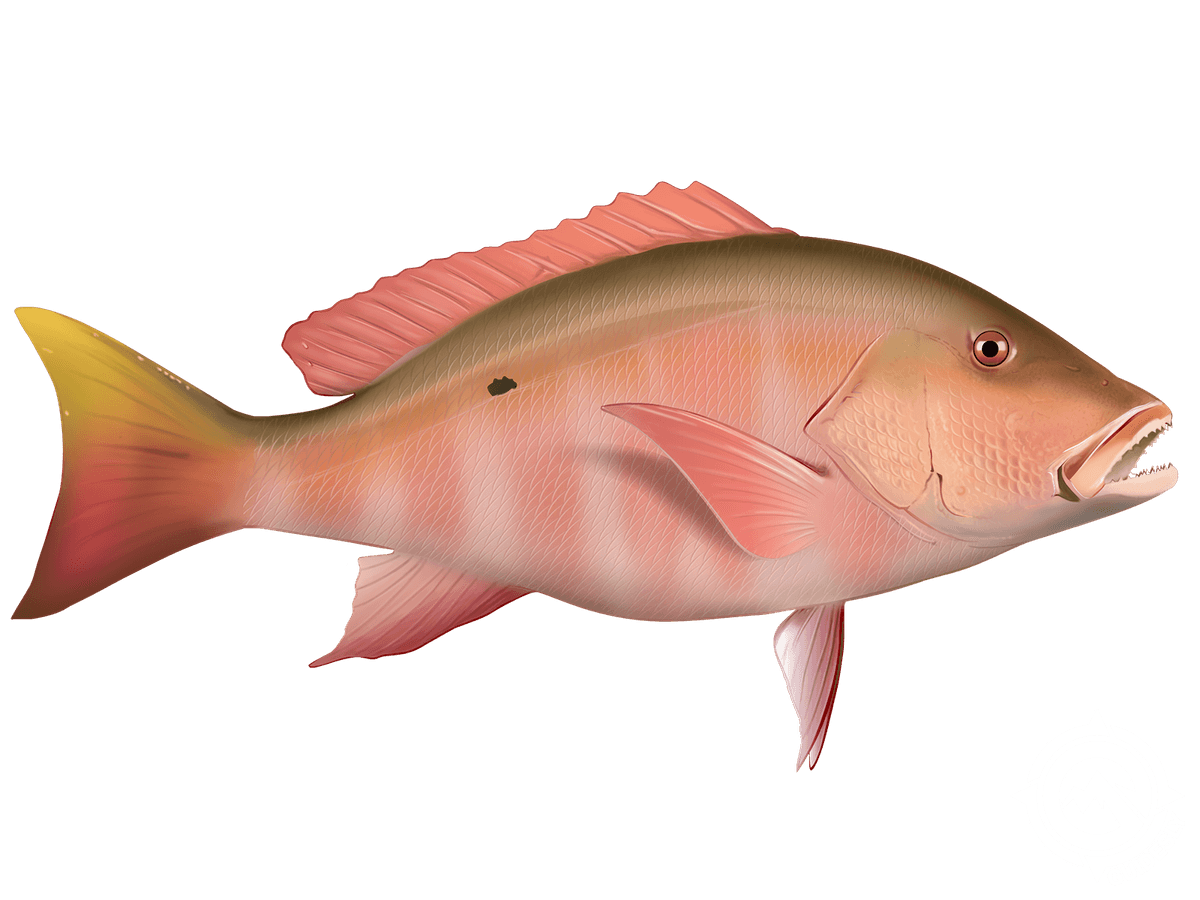
Mutton Snapper are one of Fort Lauderdale's premier bottom fish, and for good reason. These gorgeous fish average 2-8 pounds and put up a determined fight that gets everyone excited. They're year-round residents but fishing is best from spring through fall when they're more active in shallower waters. Muttons are smart fish with excellent eyesight, making light tackle the perfect approach. When you hook one, expect multiple runs and head shakes that'll test your technique. They're also excellent table fare, making them a customer favorite for both the fight and the feast.
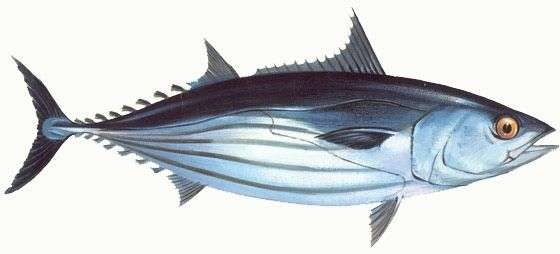
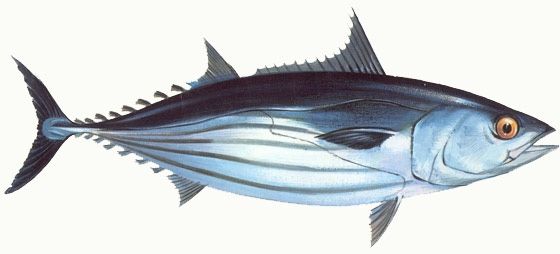
Skipjack Tuna bring non-stop action when they're around, typically showing up in good numbers during warmer months. These speedsters rarely exceed 5 pounds, but what they lack in size they make up for in pure energy. Skipjacks often travel in schools, so when you find one, you'll usually find more. They're perfect for beginners because they bite aggressively and provide constant action. The light tackle setup is ideal for feeling every burst of speed these little rockets deliver. They're also great bait for larger species if you're targeting bigger game.
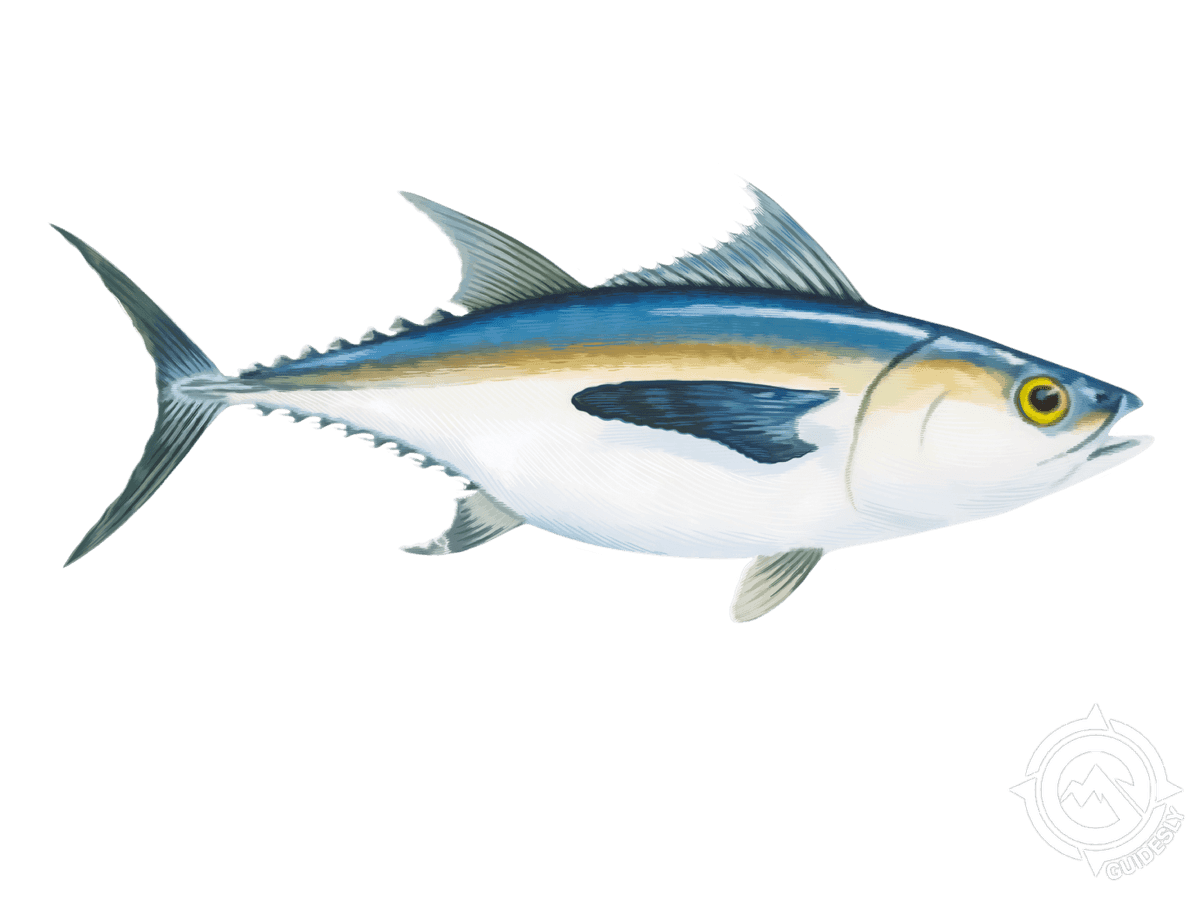
Blackfin Tuna represent a step up in both size and fight quality. These beautiful fish typically range from 5-20 pounds in local waters and are absolute bulldogs on light tackle. Peak season runs from late fall through early spring, when they move inshore following bait schools. Blackfins are incredibly strong for their size, making long, powerful runs that'll have your drag screaming. They're also prized for their meat quality, often compared to yellowfin tuna. Landing a quality blackfin on this trip creates memories that last a lifetime.
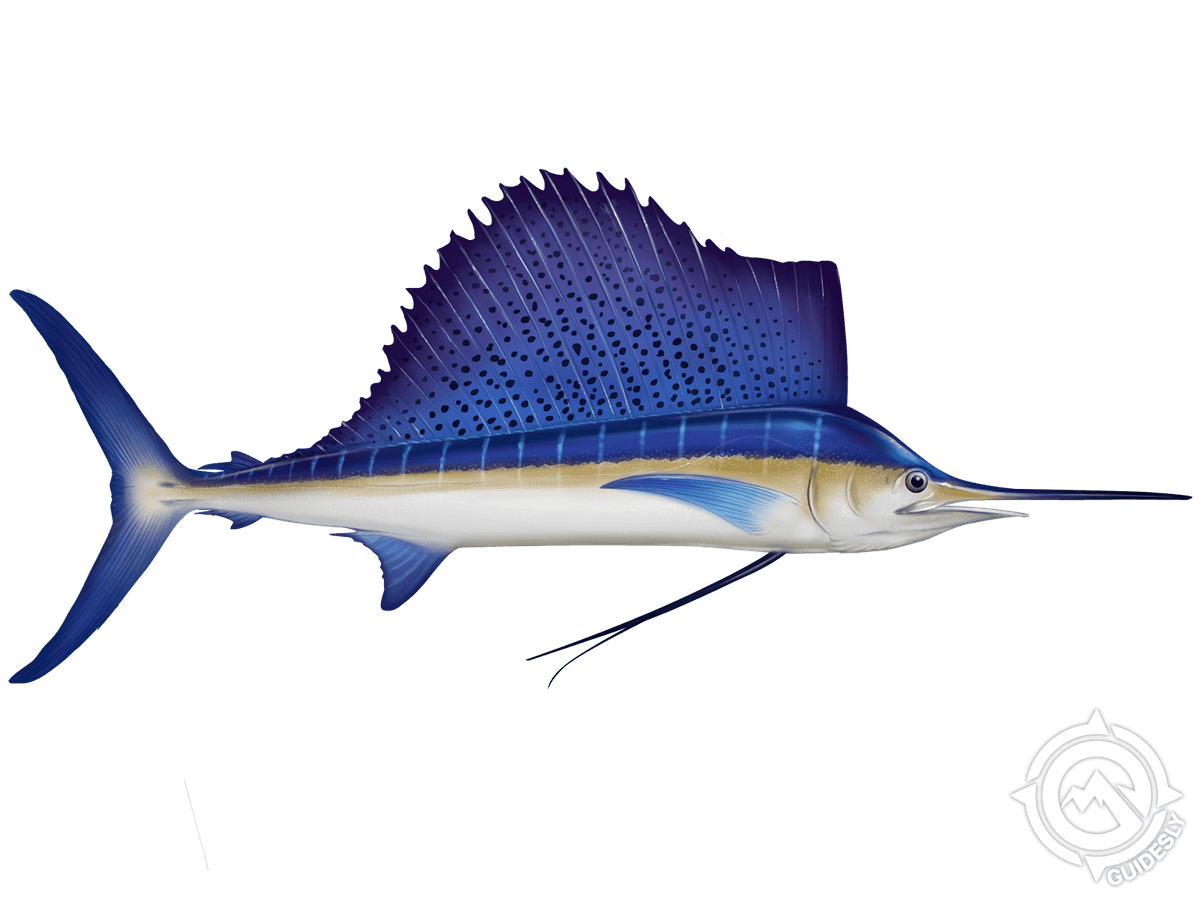
Atlantic Sailfish are the crown jewel of Fort Lauderdale offshore fishing, and while they're not the primary target on this beginner trip, they do show up occasionally, especially during winter months. Fort Lauderdale is considered the sailfish capital of the world, with peak season running December through April. These magnificent fish average 6-7 feet and 30-50 pounds, providing world-class light tackle action. Sailfish are typically released, and witnessing one of these billfish jump and tail-dance is something every angler should experience. Even on a shorter trip, the possibility of encountering a sail adds extra excitement.
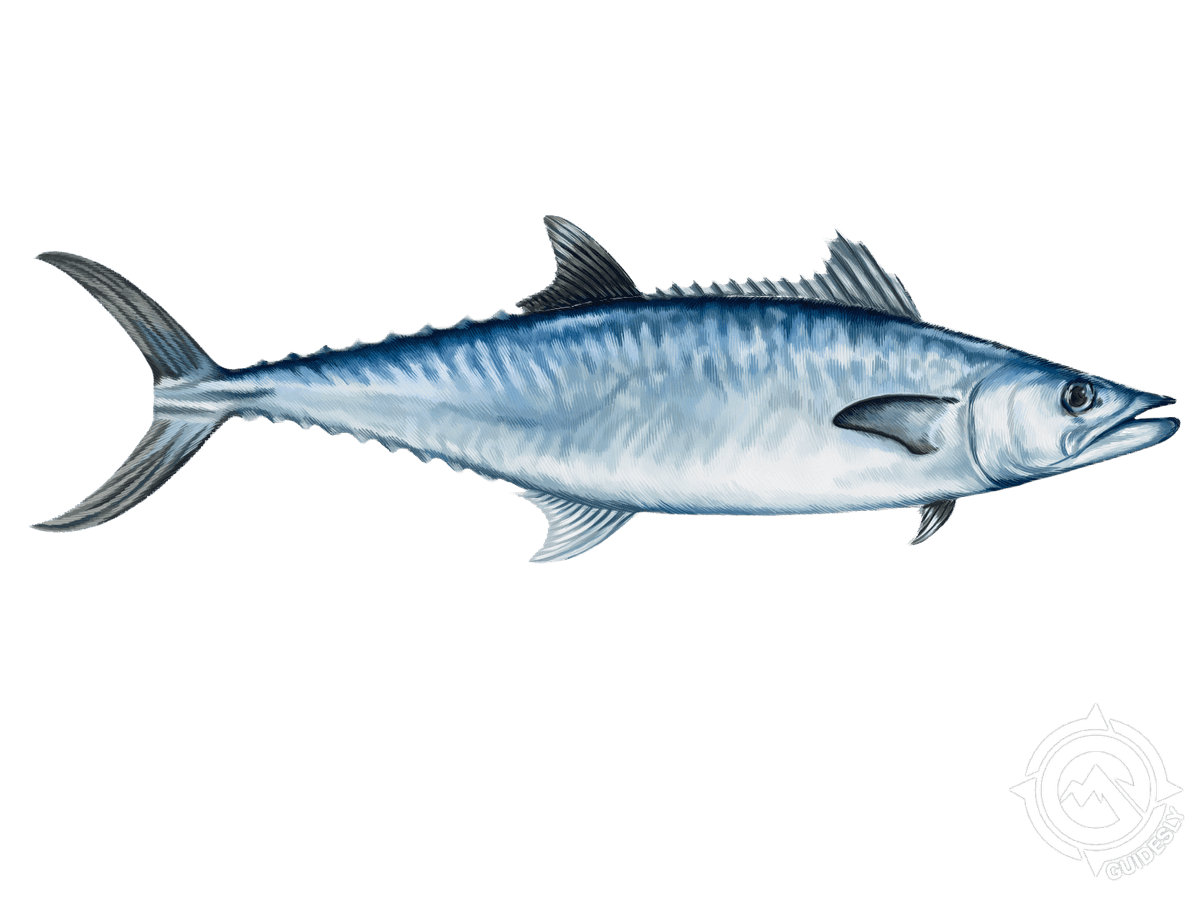
King Mackerel, or "kings" as locals call them, are year-round residents that provide outstanding action on light tackle. These toothy predators range from small "schoolies" around 5-10 pounds up to trophy fish exceeding 40 pounds. Kings are aggressive feeders that often provide explosive strikes, making them perfect for getting beginners hooked on offshore fishing. They're most active during moving tides and often show up when drift fishing. The fight typically includes several jumps and long runs, and their aggressive nature means multiple hookups are common. Kings are also excellent eating when prepared fresh.
Time to Book Your Spot
This 3-hour trip delivers the perfect balance of offshore excitement and beginner accessibility that's made it a trending choice for Fort Lauderdale fishing. You're getting genuine offshore fishing experience without the time commitment or intensity of longer charters. The crew's expertise, combined with Fort Lauderdale's world-class fishing opportunities, creates conditions for success regardless of your experience level. Whether you're introducing kids to fishing, planning a fun group outing, or testing the waters before booking a longer trip, this charter provides incredible value.
Learn more about the species
Atlantic Sailfish
South Florida's signature gamefish, sailfish are what dreams are made of with that massive dorsal fin and lightning speed. Most run 6-8 feet and 40-60 pounds, but it's not the size that gets you - it's the show. They'll leap, dive, and tail-walk like nothing else in the ocean. You'll find them in 100-300 feet of blue water, usually near the surface where they hunt schools of ballyhoo and sardines. Winter is peak season here, especially January through March when they stack up off the coast. The fight is what brings people back - pure acrobatics and raw power. They change colors from blue to black to silver when excited, which is something to see. Best technique is slow-trolling live bait or pulling teasers to get them fired up. Once you see that sail lit up behind the boat, get ready. Keep steady pressure but let them run - fighting a sailfish is about finesse, not muscle.
Blackfin Tuna
The smallest member of the true tuna family, blackfins are beautiful fish with dark backs, silver bellies, and that signature gold stripe along their sides. They typically run 20-30 pounds but can push 40-plus. You'll find them in warm blue water near the continental shelf, usually within a few miles of shore. Fall through spring is prime time here in South Florida when water temps stay above 68 degrees. What makes blackfins special is their fierce fight and outstanding table quality - some say they're the best eating tuna. They school up and feed aggressively on squid and small fish. Vertical jigging and chunking work great, but here's a local trick: scale down your tackle because these fish have sharp eyes. Use 30-pound fluorocarbon leaders and 5/0 circle hooks. Live pilchards for chum will bring them right to the boat.
King Mackerel
Kings are built for speed with razor-sharp teeth and an attitude to match. Most fish run 20-40 pounds, but the big females can hit 50-plus and will test your drag system. You'll find them anywhere from 40-150 feet, cruising structure, reefs, or open water hunting schools of baitfish. They're here year-round but really fire up in fall and spring when bait moves through. What makes kingfish special is that screaming first run - they'll strip line like few other fish. Plus they're excellent on the grill with firm, flaky meat. They hunt everything from blue runners to sardines with those wicked teeth. Best method is trolling spoons or live bait, but here's the key: use a two-hook rig on wire leader. Put one hook through the bait's nose and let the second treble hang free near the tail. Kings hit from behind and those back hooks save the day.
Mutton Snapper
These olive-colored snappers with their distinctive blue facial streaks are some of the best fighters you'll find on the reef. Most run 15-20 inches and put up a solid scrap on light tackle. You'll find them around structure in 130-230 feet, though they cruise the sandy areas between reefs where their color shifts to more gray tones. They bite year-round but really turn on during cooler months. What makes them special is the combination of great fight and excellent table fare - firm white meat that's hard to beat. Adults tend to be loners or in small groups, so don't expect huge numbers. Pro tip: use the freshest bait you can get and keep your sinker light. Let it drift naturally in the current because these fish are picky about presentation. Once hooked, they'll make a hard run for the bottom structure.
Skipjack Tuna
The smallest of the tunas, these torpedo-shaped speedsters average 2-3 feet and around 20 pounds with distinctive dark stripes along their silver sides. You'll spot them in schools near the surface in blue water, often mixed with juvenile yellowfin. They're warm-water fish that prefer temperatures above 60 degrees and hunt everything from small fish to squid. What guests love about skipjack is their aggressive strike and non-stop fight - pure energy on the end of your line. They're also great eating and the main tuna you'll find in most cans. Best caught by trolling small lures or feathers at 4-6 knots when you see birds working. Here's the key: they spook easily, so circle the school wide and let your baits drift through naturally. Don't gun the engine once you hook up - these fish will pull drag and test your arms.