%2Ffit-in%2F250x250%2Fguide_websites%2F59254%2Fimages%2F1767925482418480084315_122136792140476173_5654504738265136459_n.jpg&w=1200&q=100)
/users/564bf745-821e-4f18-8ee6-ed03d6426198/ratecard/4-mk2c6rhx.jpg)
%2F300x300%2Fusers%2F564bf745-821e-4f18-8ee6-ed03d6426198%2Fratecard%2F4-mk2c6rhx.jpg&w=256&q=75)
%2F300x300%2Fusers%2F564bf745-821e-4f18-8ee6-ed03d6426198%2Fimages%2F9bc38fc8-9046-4eb5-8c06-985305ee961d.mov%23ynbsaxn0mddraqjfebtszwnvbw1lbmrlzezvckltbwvyc2l2zu1vzguqaaglkqaaaaaaaaebaaaaaaaaaamaaaaaaaaaaaaaaaaaaaar&w=256&q=75)
%2F300x300%2Fusers%2F564bf745-821e-4f18-8ee6-ed03d6426198%2Fimages%2Ffishing-trio-great-day-florida-3386.jpg&w=256&q=75)
%2F300x300%2Fusers%2F564bf745-821e-4f18-8ee6-ed03d6426198%2Fimages%2Fvermilion-rockfish-fort-lauderdale-catch-5814.png&w=256&q=75)
%2F300x300%2Fusers%2F564bf745-821e-4f18-8ee6-ed03d6426198%2Fimages%2Fmutton-snapper-fort-lauderdale-2589.jpg&w=256&q=75)
%2F300x300%2Fusers%2F564bf745-821e-4f18-8ee6-ed03d6426198%2Fimages%2Ffantastic-fort-lauderdale-fishing-2572.jpg&w=256&q=75)
%2F300x300%2Fusers%2F564bf745-821e-4f18-8ee6-ed03d6426198%2Fimages%2Fblue-marlin-fishing-fort-lauderdale-2528.jpg&w=256&q=75)
%2F300x300%2Fusers%2F564bf745-821e-4f18-8ee6-ed03d6426198%2Fimages%2Ffishing-fun-fort-lauderdale-2608.jpg&w=256&q=75)
%2F300x300%2Fusers%2F564bf745-821e-4f18-8ee6-ed03d6426198%2Fimages%2Fcubera-snapper-fishing-fl-2619.jpg&w=256&q=75)
%2F300x300%2Fusers%2F564bf745-821e-4f18-8ee6-ed03d6426198%2Fimages%2Ffantastic-wahoo-catch-florida-2587.jpg&w=256&q=75)
%2F300x300%2Fusers%2F564bf745-821e-4f18-8ee6-ed03d6426198%2Fimages%2Fgreat-fishing-trip-florida-2685.jpg&w=256&q=75)
Get Reel 4 Hour Fort Lauderdale Offshore
 Fort Lauderdale, FL
What you will be catching:
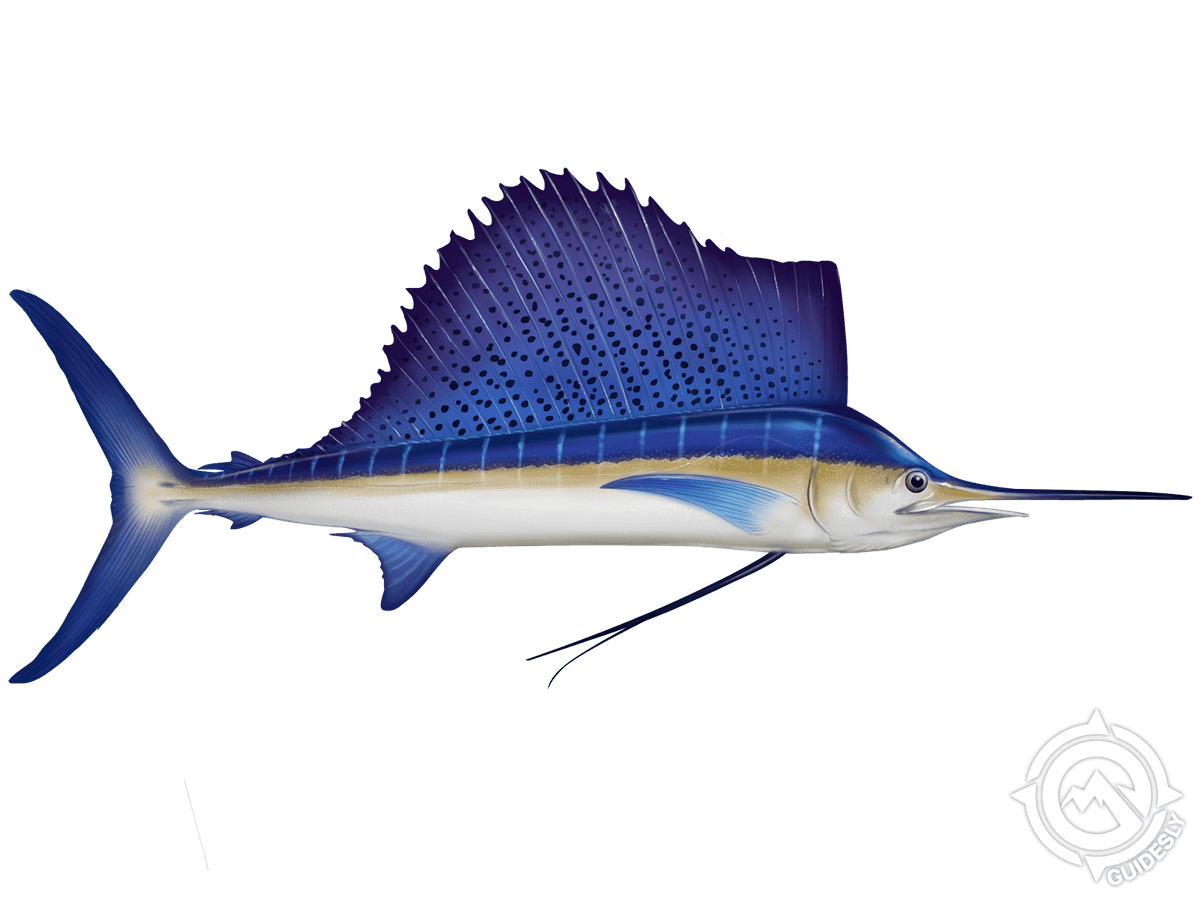
 Atlantic Sailfish
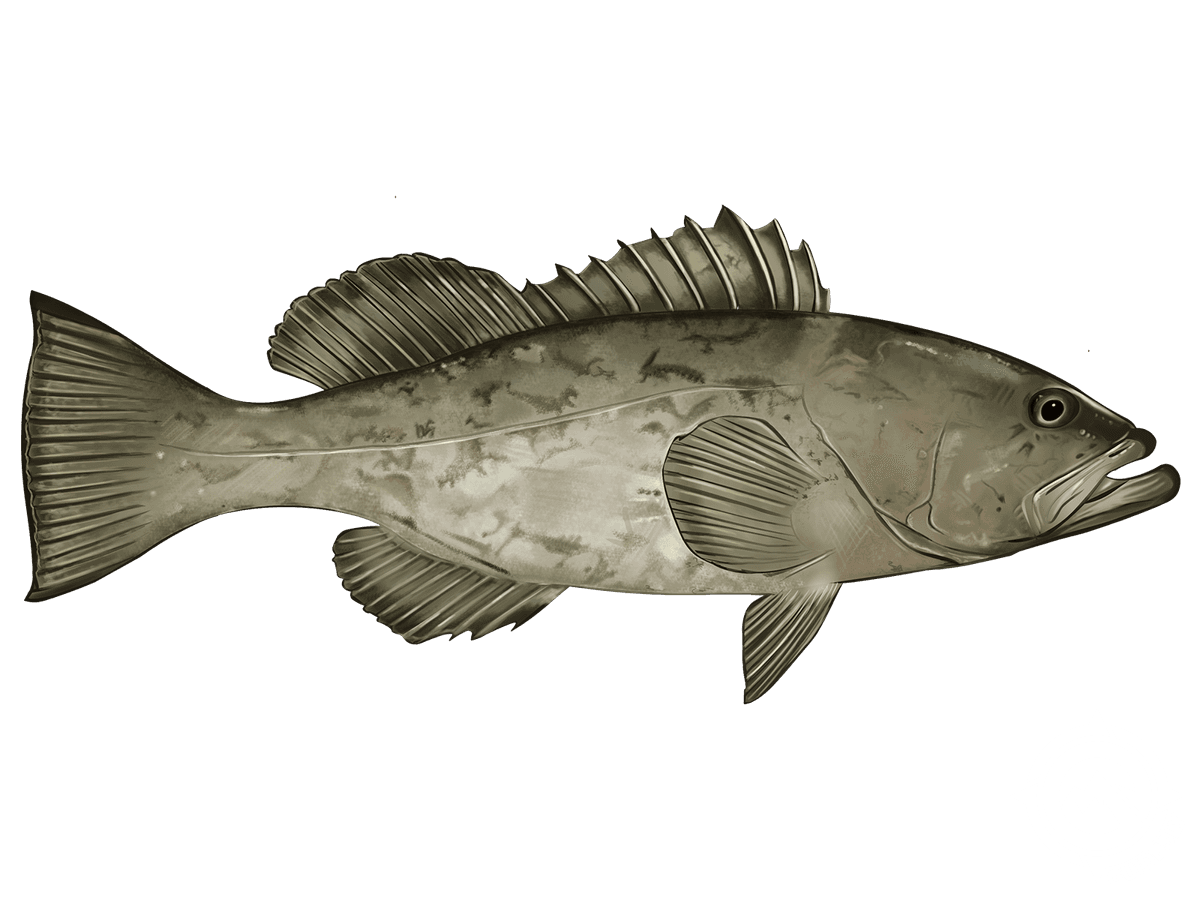
 Gag Grouper
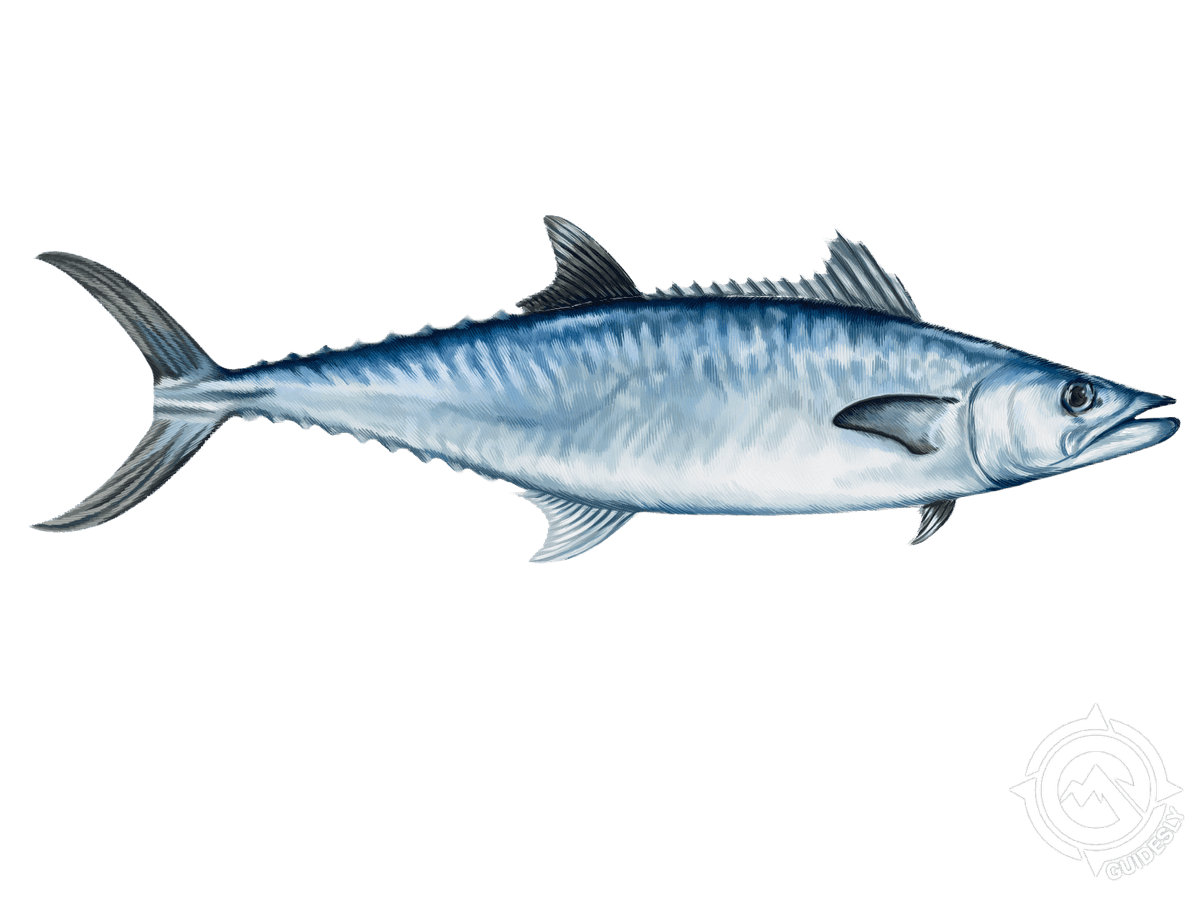
 King Mackerel
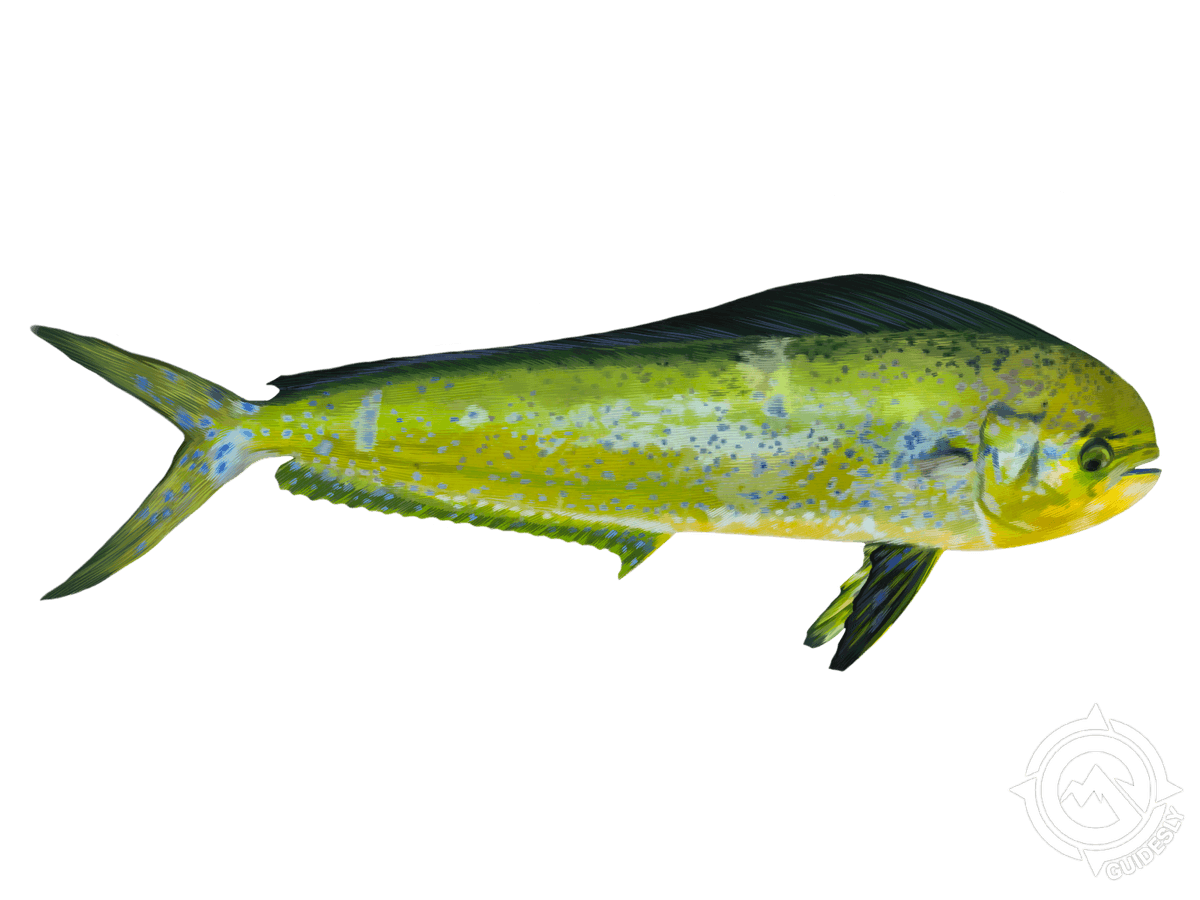
 Mahi Mahi or Common Dolphinfish
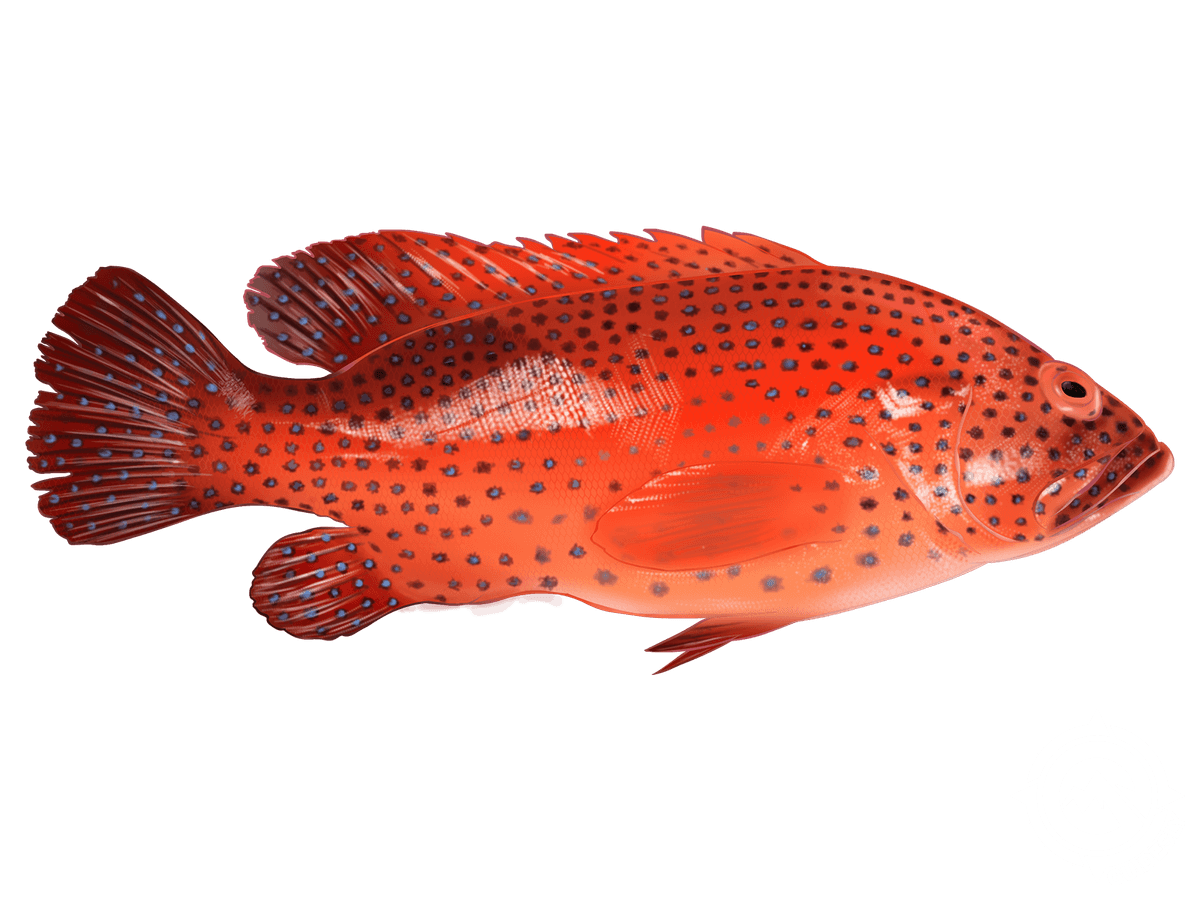
 Red Grouper
- 4-hour offshore trips targeting mahi, sailfish, kingfish, tuna, and snapper
- Morning, afternoon, or night departures with all equipment provided included
- Accommodates up to 6 guests with flexible reef and trolling techniques
Trip Pricing and Availabilities:
Trip pricing information is temporarily unavailable.
4 Hour Reef & Offshore Fishing Trip
Looking for a solid half-day on the water without breaking the bank? This 4-hour Fort Lauderdale fishing adventure hits the sweet spot for groups who want to experience South Florida's legendary offshore action. Whether you're rolling out of bed for the morning bite, catching the afternoon action, or targeting those hungry snappers under the cover of darkness, Captain Get Reel knows how to put you on fish. With space for up to 6 anglers, this trip works perfect for families, buddy groups, or anyone wanting to test the waters before committing to a longer charter.
What to Expect on the Water
Your captain will size up conditions and adjust the game plan accordingly, but you're typically looking at a mix of reef trolling and light offshore work during day trips. We're talking bonito and ballyhoo spread behind the boat as we cruise productive edges and structure. When the live bait cooperates, you might find yourself drifting baits back to cruising fish or even getting into some kite fishing action during the cooler months when sailfish are prowling the reef line. The night trips flip the script entirely – we'll anchor up over productive bottom and focus on those red-eyed snappers that come alive after dark. Don't worry about gear, everything's provided from rods and reels to terminal tackle. Even if you've never held a fishing rod, the crew will get you sorted and into fish.
Techniques & Tackle
Day fishing here revolves around covering water and reading conditions. Your captain will likely start with a trolling spread – typically four to six lines working different depths and distances behind the boat. Ballyhoo rigged on circle hooks and bonito strips are the bread and butter baits, but don't be surprised if you stop to throw a cast net for pilchards or goggle-eyes when the opportunity presents itself. Live bait fishing can turn a good day into a great one, especially when mahi are schooled up or sailfish are being finicky. The kite fishing option during winter and spring months is where things get really interesting – watching a sailfish come up and destroy a bait dangling from a kite never gets old. Night fishing is a completely different beast. You'll be anchored over structure with fresh cut bait on the bottom, maybe some squid or sardines worked mid-column. The key is staying quiet and letting those snappers move in to feed.
Top Catches This Season
Gag grouper are the heavyweight champions of the reef, and Fort Lauderdale's rocky bottom holds some serious fish. These guys are ambush predators that love to hang around ledges and holes, growing up to 50 pounds in local waters. They're most active during cooler months from November through March, and they'll absolutely smoke your drag when they make their move back to structure. What makes gags so special is their fight – they use every ounce of that thick body to pull you into the rocks. Atlantic sailfish steal the show during winter months, typically from December through April when they migrate south along our coast. These acrobatic billfish average 6-8 feet and put on an aerial display that'll have everyone on the boat whooping and hollering. The cool thing about sails is they're often found in schools, so where there's one, there's usually more. Red grouper might not jump like a sailfish, but they're pure muscle and attitude on the bottom. These copper-colored bruisers love sandy bottoms mixed with hard structure, and they're available year-round in our area. They average 5-15 pounds but can push 20-plus, and they're absolutely delicious on the dinner table. King mackerel are the speed demons of the reef, capable of stripping line faster than you can blink. Spring and fall see the best king fishing, with fish ranging from schoolie size up to smokers pushing 40 pounds. They're notorious for their razor-sharp teeth and blistering runs, making them a favorite target for anyone wanting to test their drag system. Mahi mahi, or dolphinfish as the old-timers call them, are pure gold when you find them. These vibrant green and yellow fish love floating debris and weed lines, often traveling in schools that can provide non-stop action. Peak season runs from spring through early fall, with fish ranging from small schoolies to bull dolphins over 30 pounds. Their aggressive nature and willingness to eat just about anything makes them perfect for beginners, while their acrobatic fights keep experienced anglers coming back for more.
Time to Book Your Spot
This 4-hour trip delivers serious value for groups wanting to sample Fort Lauderdale's world-class fishing scene without the commitment of a full day. You're getting professional guidance, quality gear, and access to productive waters that consistently hold fish. The flexibility of morning, afternoon, or night options means you can work around your schedule and target different species based on your interests. Keep in mind that deposits are non-refundable, so make sure your crew is locked in before booking. Whether you're looking to introduce kids to offshore fishing, celebrate a special occasion, or just need a fishing fix, this customer-favorite trip consistently delivers memories and fish boxes. Don't wait too long to secure your dates – the best fishing windows fill up fast in South Florida.
Learn more about the species
Atlantic Sailfish
Sailfish are the speed demons of our waters, and when one lights up that massive dorsal sail, you know you're in for a show. They typically run 6-8 feet and 40-60 pounds, cruising the surface in 30-200 feet looking for baitfish. Winter and spring are our best months when they move through in good numbers. These fish are pure excitement - they'll jump, dive, and put on an aerial display that gets everyone's heart pumping. We catch most trolling ballyhoo or live bait along the reef edge and current breaks. The meat is decent, but most folks release them for the sport. They can change colors when excited, flashing electric blues and greens. Here's the key: when kite fishing, let them eat the bait for a few seconds before setting the hook, or they'll throw it every time.
Gag Grouper
These guys are tough fighters that love hanging around rocky bottoms, reefs, and wrecks in 30-200 feet of water. Most run 5-15 pounds, but the bigger ones can hit 30+ pounds and really test your drag. They're not the prettiest fish - kind of a mottled gray with dark spots - but they make up for it with pure strength. Once hooked, they'll try to drag you straight back to their hole, so keep that drag tight and don't give them any slack. They bite year-round here, but spring and fall are prime time when they're more active. The meat is excellent - firm, white, and sweet. Pro tip: use circle hooks with live pinfish or cut bait, and fish right on the bottom near structure. When you feel that thump, set the hook hard and start pumping immediately.
King Mackerel
Kings are fast, aggressive, and built for speed, making them one of our most popular targets. They typically run 10-30 pounds but can hit 50+ pounds, with those razor-sharp teeth and torpedo-shaped bodies. You'll find them in 40-150 feet, often around bait schools, temperature breaks, and structure edges. Fall through spring is prime time when they move through in big numbers following the bait. These fish make blistering runs and fight hard right to the boat. The meat is good eating if kept on ice, though it can be a bit oily. We catch most trolling ballyhoo, live bait, or spoons at 6-8 knots. Pro tip: always use a wire leader - their teeth will cut through mono in a heartbeat. When one hits, let them run initially, then work them steady. Don't horse them or they'll throw the hook.
Mahi Mahi or Common Dolphinfish
Mahi are hands-down the most colorful fish we catch, flashing gold, green, and blue when they're fighting. They average 15-25 pounds but can reach 40+ pounds, especially the bulls with those big square heads. Look for them around floating debris, weed lines, and current edges in 100-1000 feet of water. Spring through fall is best when water temps hit 75+ degrees. These fish are great fighters that jump and make strong runs, plus they travel in schools so where there's one, there's usually more. The meat is outstanding - firm, white, and mild flavored. We catch them trolling ballyhoo or live bait, and they love a bait that skips on the surface. Here's a local trick: when you hook one, leave it in the water while you get more baits out - the hooked fish will often keep the school around for multiple hookups.
Red Grouper
Red grouper are the bread and butter of our reef fishing, and probably the best eating fish we catch. They average 5-10 pounds but can push 20+ pounds, with that distinctive rusty red color and white spots. You'll find them on rocky bottom and reef structure in 40-200 feet, usually sitting tight to cover. They bite year-round, but summer and fall are hot when they're feeding heavy before spawning season. These fish fight hard for their size and have that classic grouper bulldogging power. The meat is fantastic - firm, white, and has a slight shellfish flavor from their crab and shrimp diet. They're aggressive biters that love live or cut bait. Best tip: fish with heavy tackle and don't let them get back to their hole. Once you hook one, put the pressure on immediately and get them up off the bottom fast.