%2Ffit-in%2F250x250%2Fguide_websites%2F59254%2Fimages%2F1767925482418480084315_122136792140476173_5654504738265136459_n.jpg&w=1200&q=100)
/users/564bf745-821e-4f18-8ee6-ed03d6426198/ratecard/192f2463-fd58-4634-bc9c-dbc3e9484e87.jpg)
%2F300x300%2Fusers%2F564bf745-821e-4f18-8ee6-ed03d6426198%2Fratecard%2F192f2463-fd58-4634-bc9c-dbc3e9484e87.jpg&w=256&q=75)
%2F300x300%2Fusers%2F564bf745-821e-4f18-8ee6-ed03d6426198%2Fimages%2F9bc38fc8-9046-4eb5-8c06-985305ee961d.mov%23ynbsaxn0mddraqjfebtszwnvbw1lbmrlzezvckltbwvyc2l2zu1vzguqaaglkqaaaaaaaaebaaaaaaaaaamaaaaaaaaaaaaaaaaaaaar&w=256&q=75)
%2F300x300%2Fusers%2F564bf745-821e-4f18-8ee6-ed03d6426198%2Fimages%2Ffishing-trio-great-day-florida-3386.jpg&w=256&q=75)
%2F300x300%2Fusers%2F564bf745-821e-4f18-8ee6-ed03d6426198%2Fimages%2Fvermilion-rockfish-fort-lauderdale-catch-5814.png&w=256&q=75)
%2F300x300%2Fusers%2F564bf745-821e-4f18-8ee6-ed03d6426198%2Fimages%2Fmutton-snapper-fort-lauderdale-2589.jpg&w=256&q=75)
%2F300x300%2Fusers%2F564bf745-821e-4f18-8ee6-ed03d6426198%2Fimages%2Ffantastic-fort-lauderdale-fishing-2572.jpg&w=256&q=75)
%2F300x300%2Fusers%2F564bf745-821e-4f18-8ee6-ed03d6426198%2Fimages%2Fblue-marlin-fishing-fort-lauderdale-2528.jpg&w=256&q=75)
%2F300x300%2Fusers%2F564bf745-821e-4f18-8ee6-ed03d6426198%2Fimages%2Ffishing-fun-fort-lauderdale-2608.jpg&w=256&q=75)
%2F300x300%2Fusers%2F564bf745-821e-4f18-8ee6-ed03d6426198%2Fimages%2Fcubera-snapper-fishing-fl-2619.jpg&w=256&q=75)
%2F300x300%2Fusers%2F564bf745-821e-4f18-8ee6-ed03d6426198%2Fimages%2Ffantastic-wahoo-catch-florida-2587.jpg&w=256&q=75)
%2F300x300%2Fusers%2F564bf745-821e-4f18-8ee6-ed03d6426198%2Fimages%2Fgreat-fishing-trip-florida-2685.jpg&w=256&q=75)
Night Trophy Hunt Get Reel Fort Lauderdale
 Fort Lauderdale, FL
What you will be catching:
 Swordfish
 Thresher Shark
- 8-hour nighttime swordfish expedition in deep offshore waters
- Professional crew provides all gear, bait, and specialized tackle
- Targets trophy swordfish, sharks, and seasonal tuna species
Trip Pricing and Availabilities:
Trip pricing information is temporarily unavailable.
Night Trophy Hunt (Fort Lauderdale)
When the sun sets over Fort Lauderdale, most boats head back to the docks. But that's when the real action begins offshore. This 8-hour night trophy hunt puts you right in the heart of deep water swordfish territory, where these apex predators come up from the depths to feed. Starting at 6 PM, you'll spend the dark hours targeting some of the most challenging fish in the Atlantic. Captain and crew from Get Reel Sportfishing know these waters like the back of their hand, and they'll position you over the prime spots where trophy swordfish patrol after sunset. With space for up to 3 guests, this trip keeps things intimate and focused - no crowds, just serious fishing.
What to Expect on the Water
Night fishing for swordfish is a different beast entirely from daytime offshore trips. You'll be fishing in 800 to 1,500 feet of water, sometimes deeper, using specialized heavy tackle designed to handle fish that can push 200 pounds or more. The boat stays positioned over structure and temperature breaks where swordfish hunt, and the crew sets up a spread of baits at various depths. You're not trolling around - this is strategic, methodical fishing that requires patience and skill. The atmosphere on deck is focused but relaxed, with just the sound of the diesel and the anticipation of what might grab your bait down in the black water. Most of the night you'll be waiting, but when a sword hits, everything changes fast. These fish are known for their powerful initial runs and aerial displays, making every hookup a heart-pounding experience.
Techniques and Tackle
Swordfishing at night is all about presentation and depth control. The crew rigs heavy conventional reels loaded with 80 to 130-pound test line, paired with 7 to 8-foot stand-up rods built for the job. Baits include fresh squid, mackerel, and bonito, rigged on circle hooks and weighted to reach specific depths in the water column. Electric reels are often used to manage the extreme depths and heavy weights required. The boat uses a combination of lights and chemical sticks to attract baitfish, which in turn draw in the predators you're after. Temperature and current are everything in this game - the captain uses electronics to find the edges and breaks where swordfish feed most actively. Multiple lines fish different depths simultaneously, from 100 feet down to 400 feet or more, covering the entire water column where these fish hunt.
Top Catches This Season
Fort Lauderdale's offshore waters have been producing some world-class swordfish action, especially during the prime months from October through March. The swordfish here are known for their size and fight, with fish over 100 pounds caught regularly on night trips. What makes this fishery special is the proximity to deep water - you're fishing serious depths just 10 miles from shore. Thresher sharks add another dimension to night fishing, often showing up on the same baits intended for swordfish. These sharks are incredible fighters with their distinctive long tail fin, and they put on quite a show when hooked. The variety keeps things interesting throughout the long night, and you never know what might grab your bait in the darkness below.
Species You'll Want to Hook
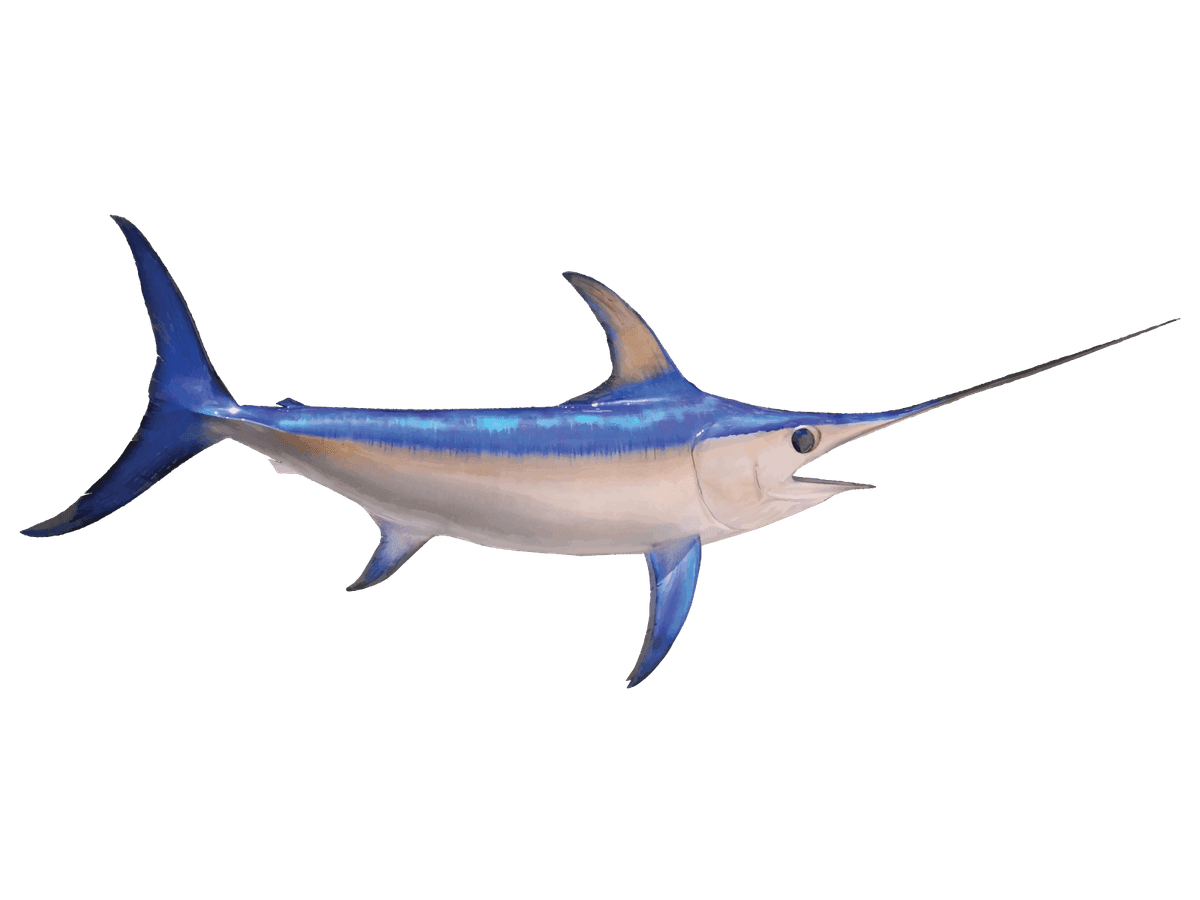
Swordfish are the crown jewel of night fishing in Fort Lauderdale waters. These prehistoric-looking predators can reach weights over 400 pounds, though most caught here range from 50 to 150 pounds. Swordfish are unique among billfish because they actively feed at night, rising from depths of 1,000 feet or more to hunt in the upper water column. Their distinctive bill and powerful build make them one of the most sought-after trophy fish in the world. Peak season runs from November through February, when cooler water temperatures bring them closer to shore. What makes swordfish so special is their unpredictable nature - they might bite immediately or keep you waiting all night, but when they hit, the fight is unlike anything else in offshore fishing.
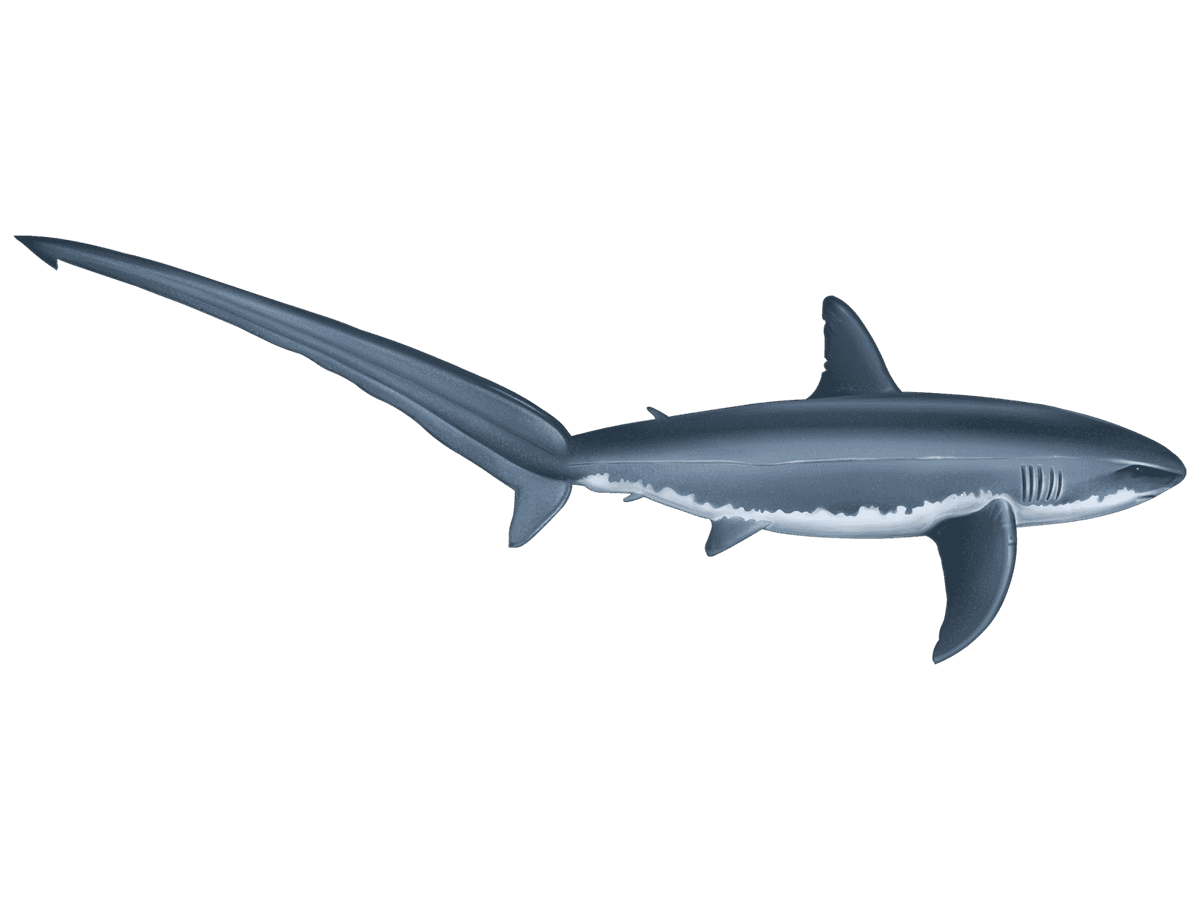
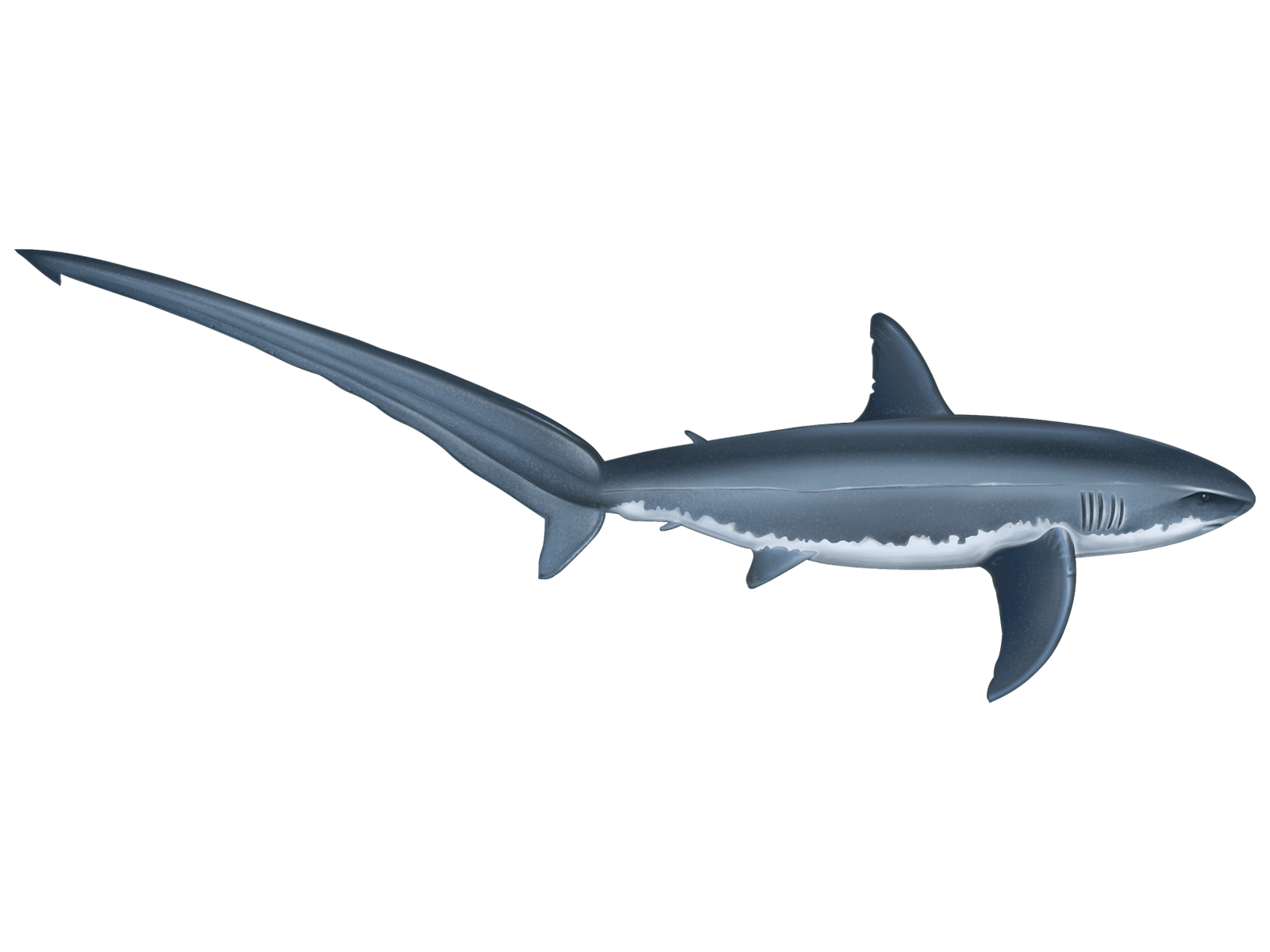
Thresher sharks are equally impressive night predators that frequent these same deep waters. Recognizable by their dramatically elongated tail fin that can be as long as their body, threshers use this appendage like a whip to stun schools of baitfish. These sharks typically range from 100 to 300 pounds in local waters, though larger specimens show up regularly. Threshers are incredibly acrobatic when hooked, often launching completely out of the water in spectacular jumps. They're most active during warmer months from May through September, when baitfish are abundant in the deeper offshore waters. The fight from a big thresher combines raw power with aerial displays that make for some of the best offshore fishing action you'll find anywhere.
Time to Book Your Spot
This night trophy hunt represents the top tier of Fort Lauderdale offshore fishing, designed for anglers who want to target the biggest and most challenging fish in these waters. With only 3 spots available per trip, you're guaranteed personalized attention from an experienced crew who live and breathe this style of fishing. The 8-hour duration gives you maximum time on the prime fishing grounds, while the 6 PM start puts you in position just as the swordfish begin their nightly feeding routine. All tackle, bait, and expertise are included - you just need to bring your patience and fighting belt. Keep in mind that deposits are non-refundable, so plan accordingly when booking this world-class fishing experience.
Learn more about the animals
Swordfish
These legendary deep-water gladiators are what night fishing is all about. Swordfish average 9 feet and 400 pounds, but we've seen them push 15 feet out here. They cruise 300-1500 feet deep, coming up to feed after dark when their heated eyes help them hunt in the darkness. Unlike marlin, they use that flat sword to slash and stun prey rather than spear it. The fight is pure power - they'll make long runs and test every piece of gear you've got. We target them year-round off Fort Lauderdale, but spring through fall gives you the best shot. Here's the trick: once you hook up, keep steady pressure but don't horse them. Let them tire themselves out on those initial runs, then work them up slow and steady. The meat's outstanding too - firm, meaty steaks that beat anything from the store.
Thresher Shark
Threshers are hands down one of the most visual fighters you'll encounter on our night trips. These sharks average 16 feet and 500+ pounds, with that signature tail that's as long as their body. They cruise the continental shelf 40-50 miles out in 300-2000 foot depths, using that massive tail like a whip to stun baitfish at 50 mph. What makes them special is they'll actually jump - nothing like seeing a 15-foot shark launch itself out of the water next to the boat. We see them best from late spring through fall when water temps hit that 60-70 degree sweet spot. They've got smaller mouths than you'd expect for their size, so we use 8/0 hooks and keep the drag smooth. Pro tip: when you hook one, expect that first run to be fast and long. Keep your rod tip up and let the fish work against the drag - trying to stop them too quick usually ends with a broken line.