%2Ffit-in%2F250x250%2Fguide_websites%2F59254%2Fimages%2F1767925482418480084315_122136792140476173_5654504738265136459_n.jpg&w=1200&q=100)
/users/564bf745-821e-4f18-8ee6-ed03d6426198/ratecard/6-mk2cg73q.jpg)
%2F300x300%2Fusers%2F564bf745-821e-4f18-8ee6-ed03d6426198%2Fratecard%2F6-mk2cg73q.jpg&w=256&q=75)
%2F300x300%2Fusers%2F564bf745-821e-4f18-8ee6-ed03d6426198%2Fimages%2F9bc38fc8-9046-4eb5-8c06-985305ee961d.mov%23ynbsaxn0mddraqjfebtszwnvbw1lbmrlzezvckltbwvyc2l2zu1vzguqaaglkqaaaaaaaaebaaaaaaaaaamaaaaaaaaaaaaaaaaaaaar&w=256&q=75)
%2F300x300%2Fusers%2F564bf745-821e-4f18-8ee6-ed03d6426198%2Fimages%2Ffishing-trio-great-day-florida-3386.jpg&w=256&q=75)
%2F300x300%2Fusers%2F564bf745-821e-4f18-8ee6-ed03d6426198%2Fimages%2Fvermilion-rockfish-fort-lauderdale-catch-5814.png&w=256&q=75)
%2F300x300%2Fusers%2F564bf745-821e-4f18-8ee6-ed03d6426198%2Fimages%2Fmutton-snapper-fort-lauderdale-2589.jpg&w=256&q=75)
%2F300x300%2Fusers%2F564bf745-821e-4f18-8ee6-ed03d6426198%2Fimages%2Ffantastic-fort-lauderdale-fishing-2572.jpg&w=256&q=75)
%2F300x300%2Fusers%2F564bf745-821e-4f18-8ee6-ed03d6426198%2Fimages%2Fblue-marlin-fishing-fort-lauderdale-2528.jpg&w=256&q=75)
%2F300x300%2Fusers%2F564bf745-821e-4f18-8ee6-ed03d6426198%2Fimages%2Ffishing-fun-fort-lauderdale-2608.jpg&w=256&q=75)
%2F300x300%2Fusers%2F564bf745-821e-4f18-8ee6-ed03d6426198%2Fimages%2Fcubera-snapper-fishing-fl-2619.jpg&w=256&q=75)
%2F300x300%2Fusers%2F564bf745-821e-4f18-8ee6-ed03d6426198%2Fimages%2Ffantastic-wahoo-catch-florida-2587.jpg&w=256&q=75)
%2F300x300%2Fusers%2F564bf745-821e-4f18-8ee6-ed03d6426198%2Fimages%2Fgreat-fishing-trip-florida-2685.jpg&w=256&q=75)
Get Reel 6 Hour Fort Lauderdale Inshore
 Fort Lauderdale, FL
What you will be catching:
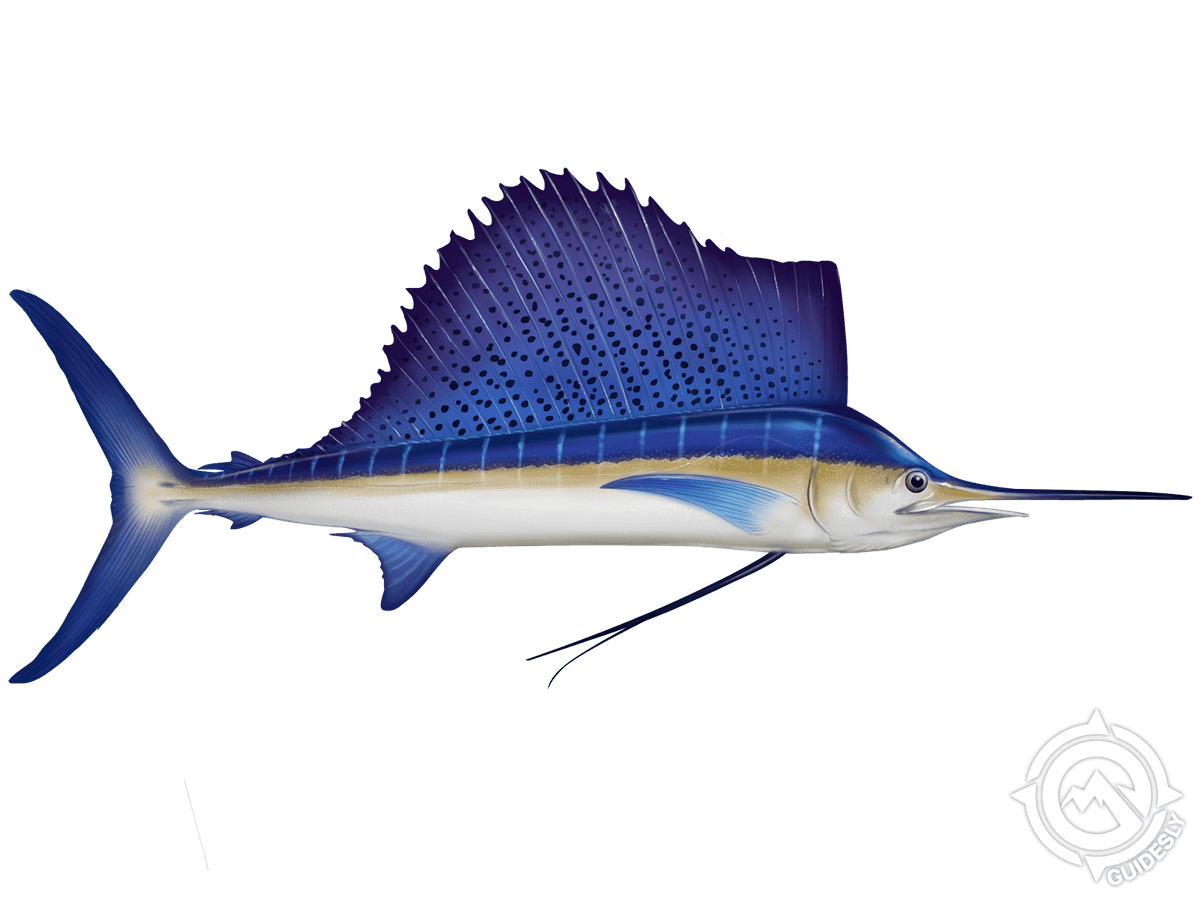
 Atlantic Sailfish
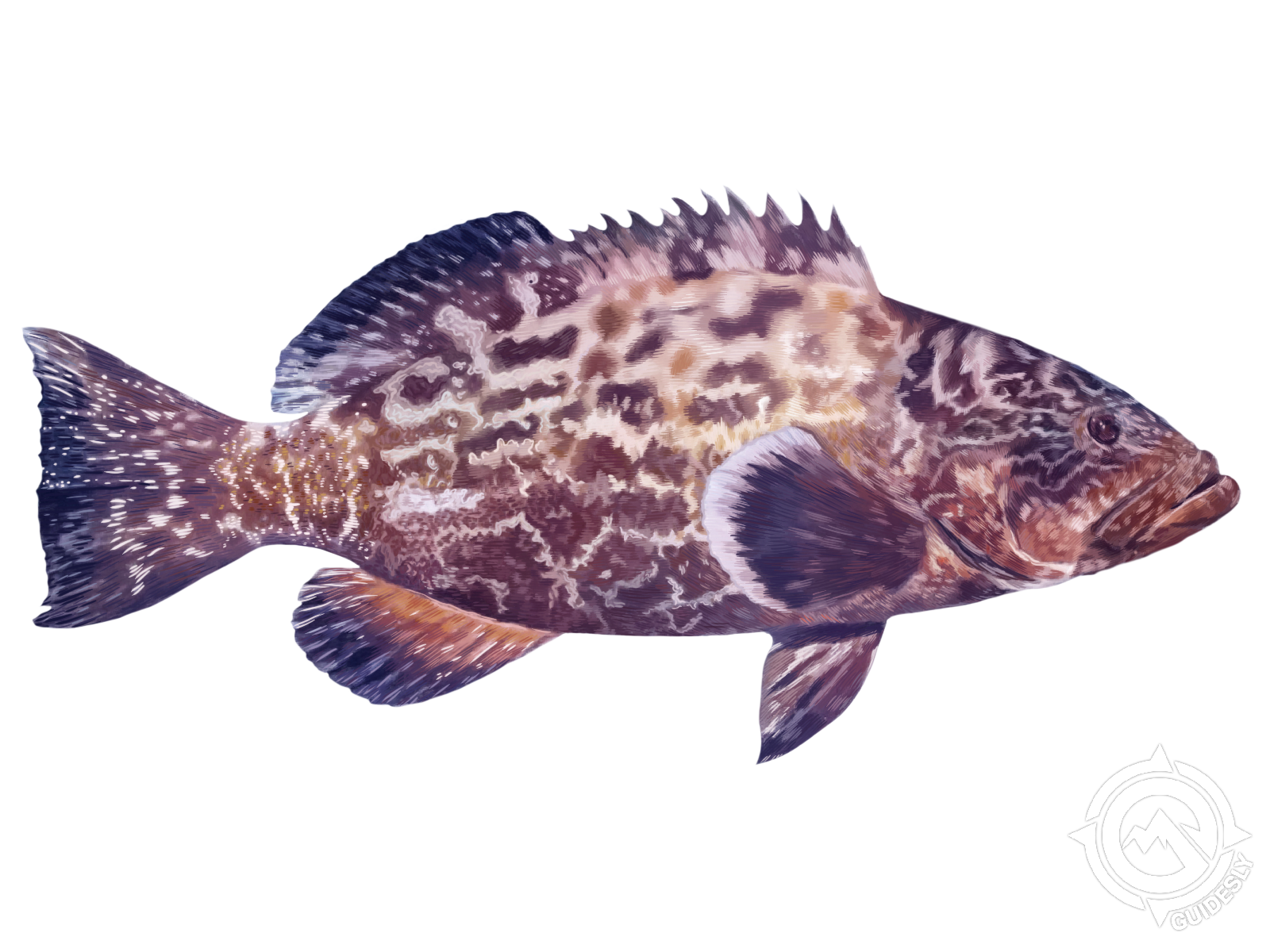 Black Grouper
 King Mackerel
 Mahi Mahi or Common Dolphinfish
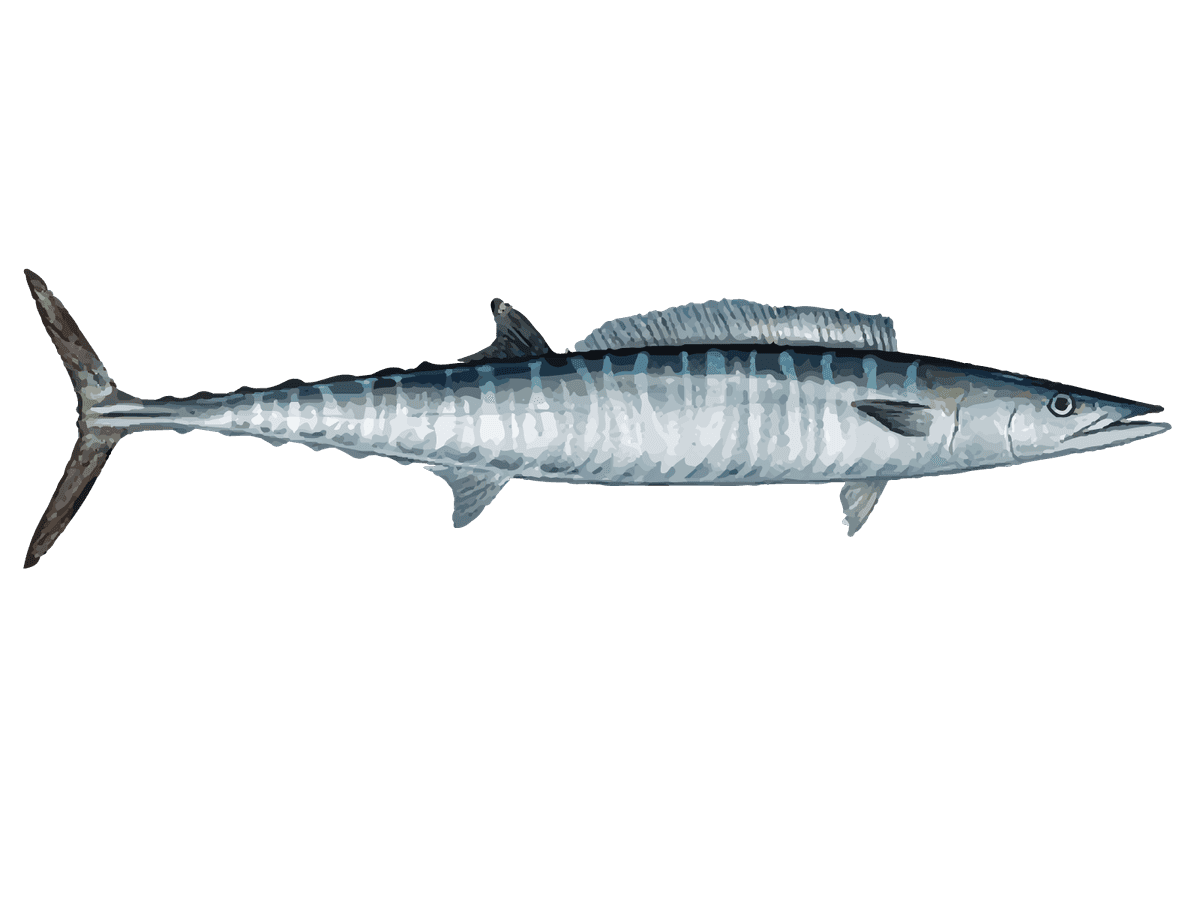
 Wahoo Fish
- 6-hour offshore fishing experience departing at 7:30 AM daily
- Targets multiple species including mahi, tuna, sailfish, and grouper
- Accommodates up to 6 passengers with adaptive fishing techniques
Trip Pricing and Availabilities:
Trip pricing information is temporarily unavailable.
6 Hour Fishing Trip (Fort Lauderdale)
Fort Lauderdale's waters are calling, and this 6-hour offshore adventure puts you right in the middle of some of South Florida's best fishing action. Starting bright and early at 7:30 AM, you'll head out with up to 5 other anglers aboard a top-rated charter that knows these waters like the back of their hand. What sets this trip apart is the flexibility – your captain reads the conditions and adjusts the game plan on the fly, giving you the best shot at multiple species throughout the day. Whether you're a seasoned angler or picking up a rod for the first time, this charter adapts to what's working and keeps the action coming.
What to Expect on the Water
The beauty of a 6-hour trip is having enough time to really work the water without feeling rushed. Your crew starts by reading the day – checking currents, water temperature, and bait activity to map out the best strategy. You'll likely begin with trolling, covering ground to locate schools of mahi, sailfish, or kingfish cruising the blue water. When the trolling bite slows or conditions change, the captain switches gears to bottom fishing, anchoring over productive reefs and wrecks where snapper and grouper hang out. Live bait is the secret weapon here – sometimes you'll catch your own pilchards or ballyhoo on the way out, other times the crew stocks up from local bait boats. During winter and spring months, when the wind lays down, you might get treated to some kite fishing action, which lets you cover more water and present baits naturally to finicky fish.
Techniques & Tackle Setup
This charter runs a mix of techniques that keep things interesting all day long. Trolling starts with a spread of lures and rigged baits behind the boat, targeting the upper water column where pelagic species cruise. The crew handles all the rigging and knows exactly which colors and presentations work best in Fort Lauderdale's conditions. When it's time to switch to bottom fishing, they break out circle hooks and heavy sinkers to get baits down to the reef structure where grouper and snapper live. Live bait fishing is where things get really exciting – watching a sailfish light up on a frisky pilchard or seeing a big mahi crash a ballyhoo never gets old. The kite fishing setup is something special when conditions allow – it keeps baits dancing on the surface, driving predators absolutely crazy. All tackle is provided, but feel free to bring your lucky rod if you've got one.
Top Catches This Season
Atlantic Sailfish are the crown jewel of Fort Lauderdale fishing, and for good reason. These acrobatic billfish show up in good numbers from November through April, when cooler water temperatures bring them close to shore. A typical sail runs 6-8 feet long and puts on an aerial show that'll have everyone on the boat cheering. They're notorious for their drag-screaming runs and multiple jumps, making every hookup a memorable fight. The best part? Fort Lauderdale follows catch-and-release practices for sailfish, so you get amazing photos before sending these beauties back to fight another day.
King Mackerel, or "kings" as locals call them, are year-round residents that love the warm Gulf Stream waters off Fort Lauderdale. These silver bullets can reach 40+ pounds and are known for their blistering initial runs that'll test your drag system. Kings are structure-oriented fish, often found around wrecks and reefs in 80-150 feet of water. They're excellent table fare when kept within legal limits, and their fighting ability makes them a customer favorite. Spring and fall see the biggest schools, but you can count on kings showing up any time of year.
Mahi Mahi, also called dolphinfish or dorado, are the most colorful fighters in these waters. These golden-green beauties are famous for their acrobatics and willingness to bite just about anything when they're feeding. Mahi are nomadic fish that follow floating debris, weed lines, and temperature breaks, making them a perfect target for trolling operations. They typically run 10-30 pounds in these waters, with occasional bulls pushing 40+. What makes mahi special is they often travel in schools – hook one and there's usually more around. Plus, they're absolutely delicious on the dinner table.
Wahoo are the speed demons of the offshore world, capable of hitting trolled baits at over 50 mph. These torpedo-shaped predators have razor-sharp teeth and a reputation for cutting through leaders, which is why wire is essential when targeting them. Wahoo typically show up in the cooler months and prefer the deeper blue water along current edges. They're relatively rare compared to other species, making each hookup special. Their white, flaky meat is considered some of the best eating in the ocean, rivaling tuna for sashimi quality.
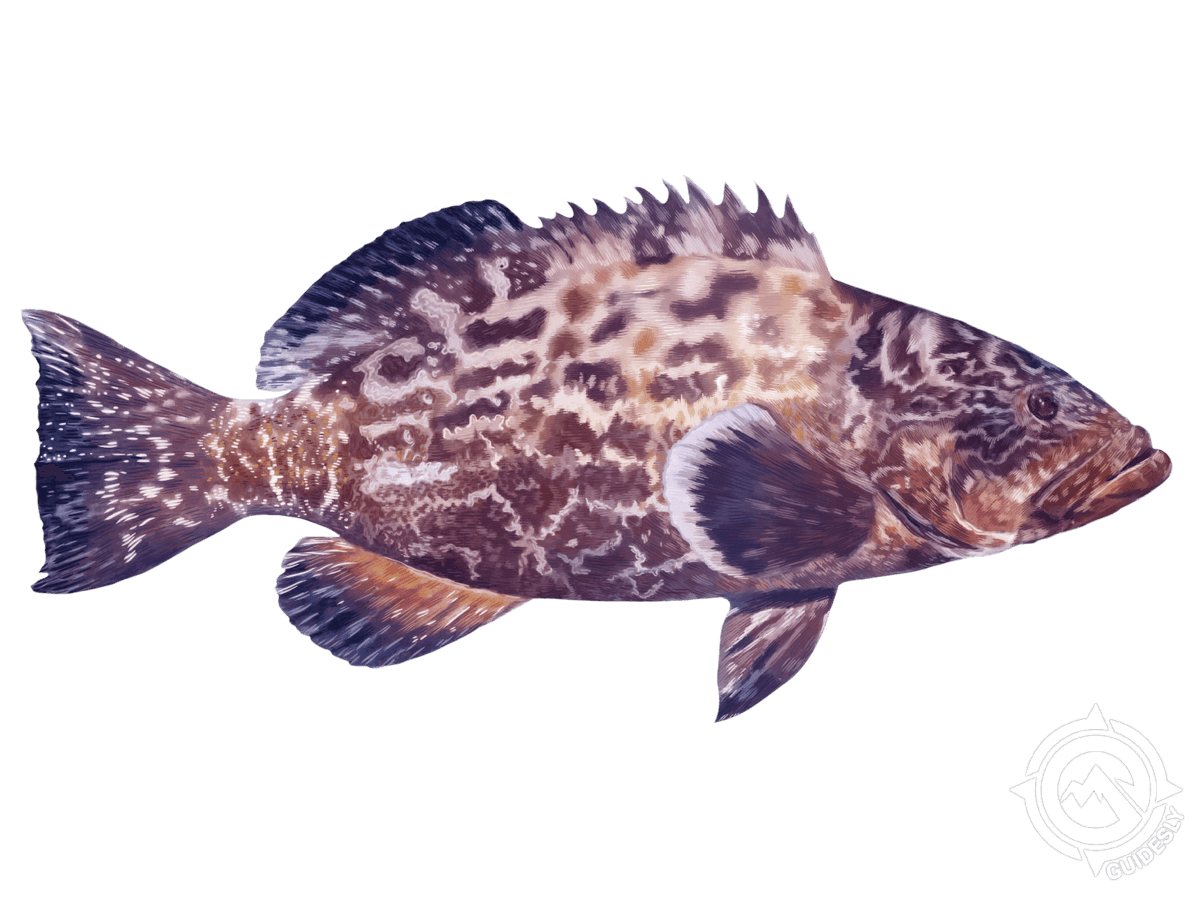
Black Grouper are the heavyweight champions of the bottom fishing world, with mature fish reaching 50+ pounds and providing arm-burning fights from deep water. These reef dwellers are ambush predators that lurk around ledges, wrecks, and hard bottom structure in 60-200 feet of water. What makes grouper fishing exciting is the variety – you never know if the next bite will be a schoolie or a true giant. They're notorious for trying to cut you off in the rocks, so heavy tackle and quick reflexes are essential. Black grouper season runs from May through December with specific regulations, and they're prized for their firm, white meat.
Time to Book Your Spot
This 6-hour Fort Lauderdale fishing experience gives you the perfect balance of time and technique variety to maximize your chances at multiple species. The early start gets you on the water when fish are most active, while the flexible approach means you're always fishing the most productive methods for current conditions. With space for up to 6 anglers, it's ideal for families, groups of
Learn more about the species
Atlantic Sailfish
These are the fish that make Fort Lauderdale famous - sailfish average 7-8 feet and around 50 pounds, with that signature sail-like dorsal fin. They're incredibly fast and put on a show when hooked, jumping and diving repeatedly. We find them year-round in 30-200 feet of water, but winter months from December through April are peak season when they migrate through our area. They hunt in small groups, changing colors from blue to black when excited. What makes them special is the fight - pure athleticism that'll test your endurance. The meat is decent, but most folks release them for the experience. Pro tip: when one takes the bait, don't horse it right away. Let them make their first run, then apply steady pressure to keep them from diving back down to the structure.
Black Grouper
Black grouper are the bulldogs of the bottom - pure muscle that'll test your drag and your back. These guys average 10-30 pounds but can push 100+ pounds on the right wreck. They live around structure - reefs, wrecks, ledges - anywhere from 60 feet out to 300 feet deep. Cooler months bring them shallower, while summer finds them in deeper water. What guests love is the initial thump and then that stubborn, head-shaking fight as they try to get back to their hole. The meat is outstanding - mild, firm, and versatile for cooking. They're ambush predators that inhale their prey whole, so when you feel that bite, start cranking immediately. Here's the key: use heavy tackle and get them up and away from structure fast. Once they get their head down and make it back to the rocks, you're probably done. Don't give them an inch or they'll break you off every time.
King Mackerel
Kings are built for speed and they'll prove it once you hook one. These guys typically run 20-40 pounds around here, though we see some real monsters pushing 50-60 pounds. They love depths between 40-150 feet, usually hanging around wrecks, reefs, or temperature breaks. Fall and winter are your best bet when they're thick in our waters. What guests love about kingfish is the initial run - they'll scream line off your reel like nothing else. Plus, they make great table fare with firm, white meat that's perfect for the grill. These fish have razor-sharp teeth, so we always use wire leaders. Here's a local trick: when live baiting for kings, use a stinger hook setup with one hook in the nose and a treble trailing behind. Kings often hit the tail section of baitfish, and that back hook will save you from a lot of missed fish.
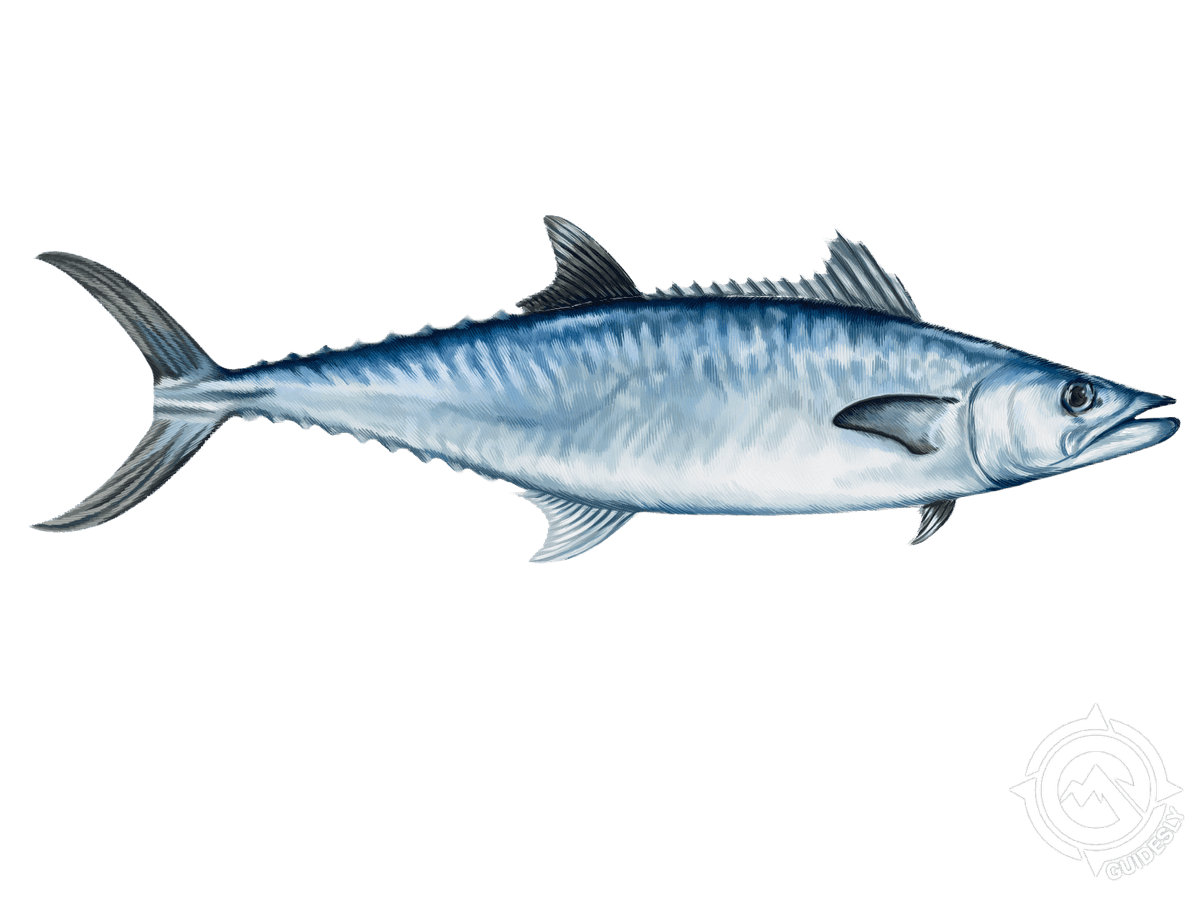
Mahi Mahi or Common Dolphinfish
Mahi are hands down one of the most fun fish to catch out here. They average 15-30 pounds but can push 40-50 when conditions are right. These guys are surface dwellers, usually found around floating debris, weed lines, or current breaks in blue water. Spring through fall are prime time, especially when the Gulf Stream pushes closer to shore. What makes them special is their colors - bright gold and green that flash like neon underwater, plus they fight hard and often travel in schools. The meat is top-notch too, mild and firm. They grow fast but don't live long, so the population stays healthy. Best tip I can share: when you catch one mahi, don't boat it right away. Keep it in the water and get more baits out quick - where there's one, there's usually more, and the hooked fish will keep the school around.
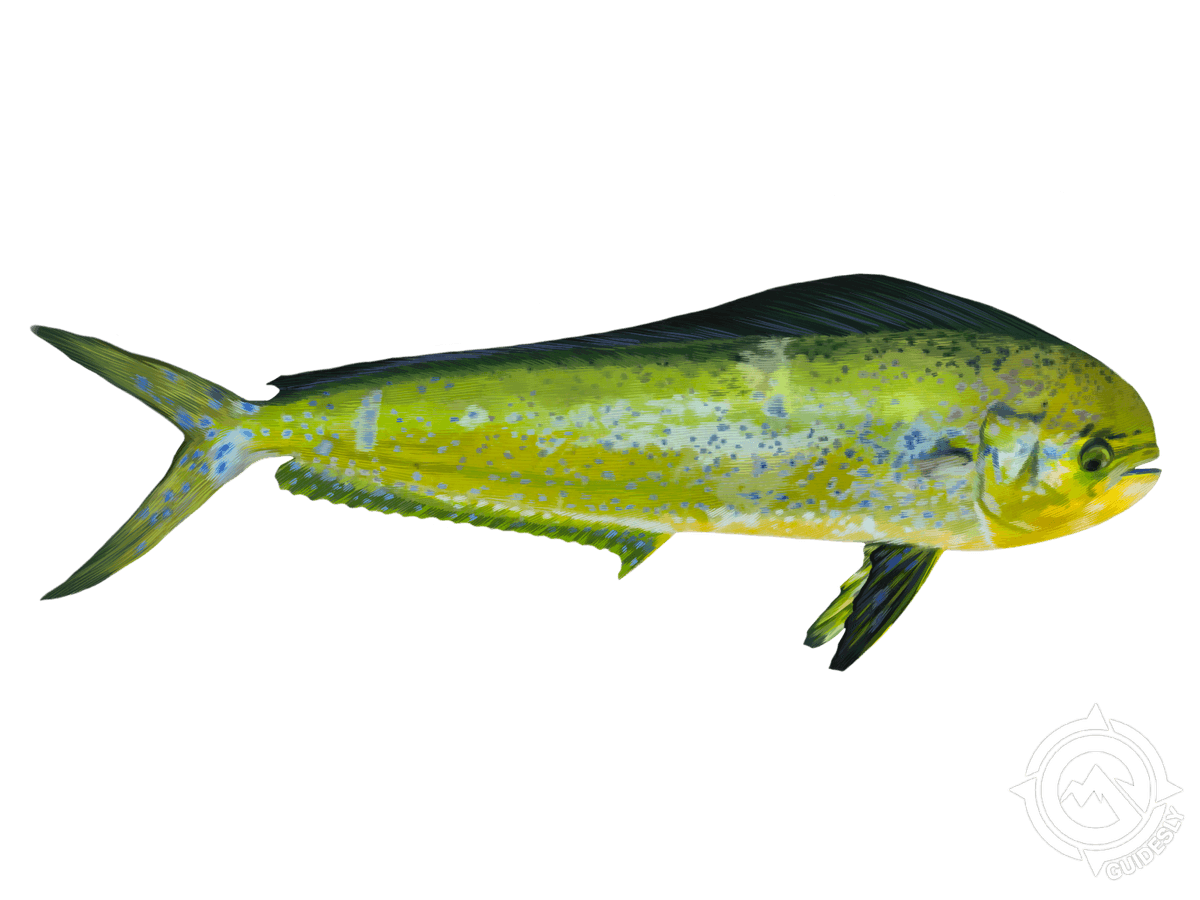
Wahoo Fish
Wahoo are the rockets of the reef - hitting speeds up to 60 mph, they'll test your drag system for sure. Most run 20-50 pounds here, though we occasionally see 80+ pounders. They patrol the edge of the blue water, usually in depths from 50-200 feet, often around structures or temperature breaks. Late summer through winter is when they show up best in South Florida waters. What makes them special is pure speed and excellent eating - the meat is white, flaky, and mild. They're loners mostly, so it's usually one and done unless you're really lucky. Those razor teeth will cut through regular line in a heartbeat, so we always run wire leaders. Pro tip: troll fast for wahoo - 12-15 knots with diving plugs or high-speed lures. Most guys troll too slow, but wahoo want that bait moving like a scared baitfish trying to escape.