%2Ffit-in%2F250x250%2Fguide_websites%2F59254%2Fimages%2F1767925482418480084315_122136792140476173_5654504738265136459_n.jpg&w=1200&q=100)
/users/564bf745-821e-4f18-8ee6-ed03d6426198/ratecard/6-mk2d2h9s.jpg)
%2F300x300%2Fusers%2F564bf745-821e-4f18-8ee6-ed03d6426198%2Fratecard%2F6-mk2d2h9s.jpg&w=256&q=75)
%2F300x300%2Fusers%2F564bf745-821e-4f18-8ee6-ed03d6426198%2Fimages%2F9bc38fc8-9046-4eb5-8c06-985305ee961d.mov%23ynbsaxn0mddraqjfebtszwnvbw1lbmrlzezvckltbwvyc2l2zu1vzguqaaglkqaaaaaaaaebaaaaaaaaaamaaaaaaaaaaaaaaaaaaaar&w=256&q=75)
%2F300x300%2Fusers%2F564bf745-821e-4f18-8ee6-ed03d6426198%2Fimages%2Ffishing-trio-great-day-florida-3386.jpg&w=256&q=75)
%2F300x300%2Fusers%2F564bf745-821e-4f18-8ee6-ed03d6426198%2Fimages%2Fvermilion-rockfish-fort-lauderdale-catch-5814.png&w=256&q=75)
%2F300x300%2Fusers%2F564bf745-821e-4f18-8ee6-ed03d6426198%2Fimages%2Fmutton-snapper-fort-lauderdale-2589.jpg&w=256&q=75)
%2F300x300%2Fusers%2F564bf745-821e-4f18-8ee6-ed03d6426198%2Fimages%2Ffantastic-fort-lauderdale-fishing-2572.jpg&w=256&q=75)
%2F300x300%2Fusers%2F564bf745-821e-4f18-8ee6-ed03d6426198%2Fimages%2Fblue-marlin-fishing-fort-lauderdale-2528.jpg&w=256&q=75)
%2F300x300%2Fusers%2F564bf745-821e-4f18-8ee6-ed03d6426198%2Fimages%2Ffishing-fun-fort-lauderdale-2608.jpg&w=256&q=75)
%2F300x300%2Fusers%2F564bf745-821e-4f18-8ee6-ed03d6426198%2Fimages%2Fcubera-snapper-fishing-fl-2619.jpg&w=256&q=75)
%2F300x300%2Fusers%2F564bf745-821e-4f18-8ee6-ed03d6426198%2Fimages%2Ffantastic-wahoo-catch-florida-2587.jpg&w=256&q=75)
%2F300x300%2Fusers%2F564bf745-821e-4f18-8ee6-ed03d6426198%2Fimages%2Fgreat-fishing-trip-florida-2685.jpg&w=256&q=75)
Get Reel 8 Hour Fort Lauderdale Offshore
 Fort Lauderdale, FL
What you will be catching:
 Atlantic Sailfish
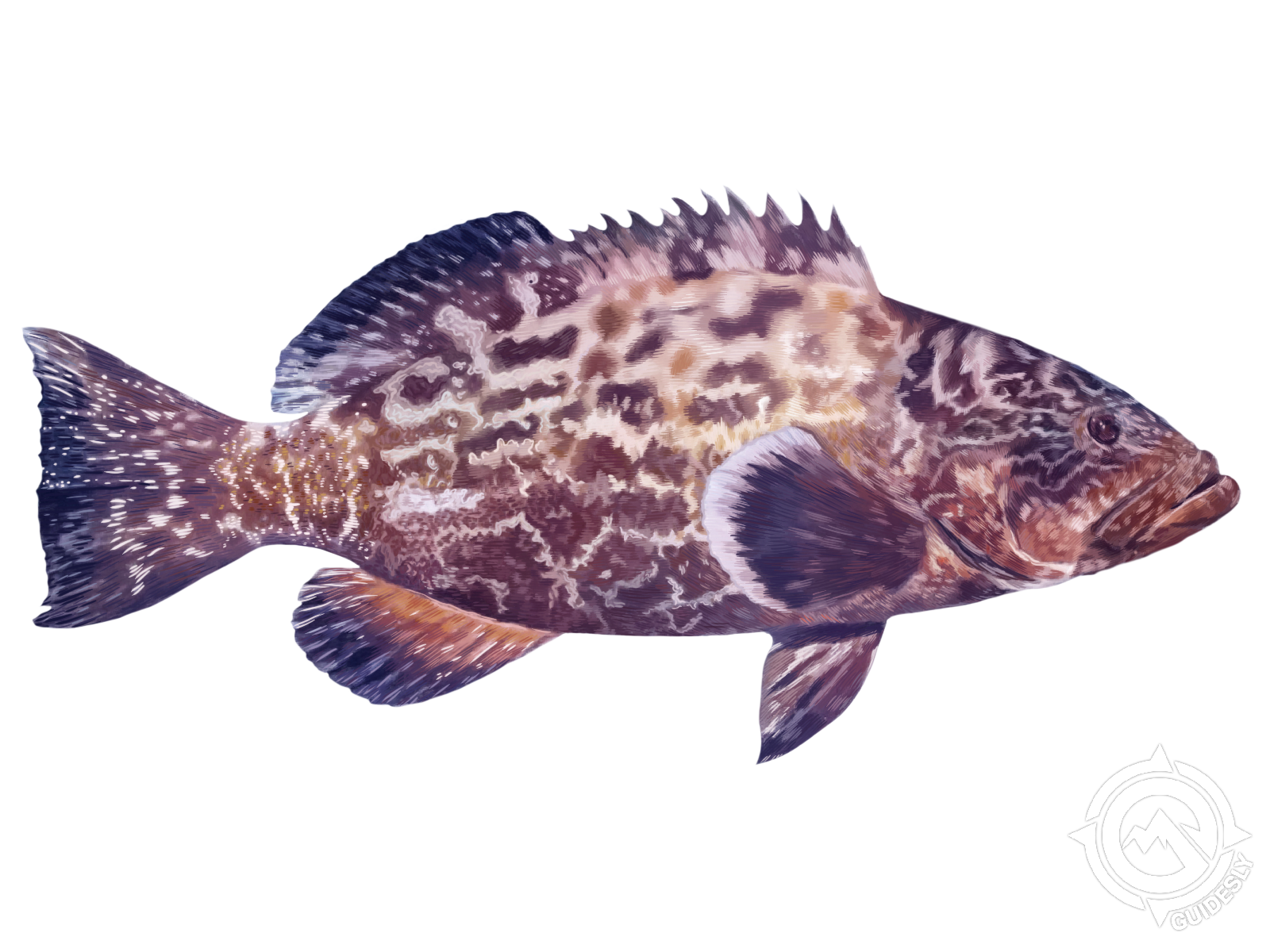 Black Grouper
 King Mackerel
 Mahi Mahi or Common Dolphinfish
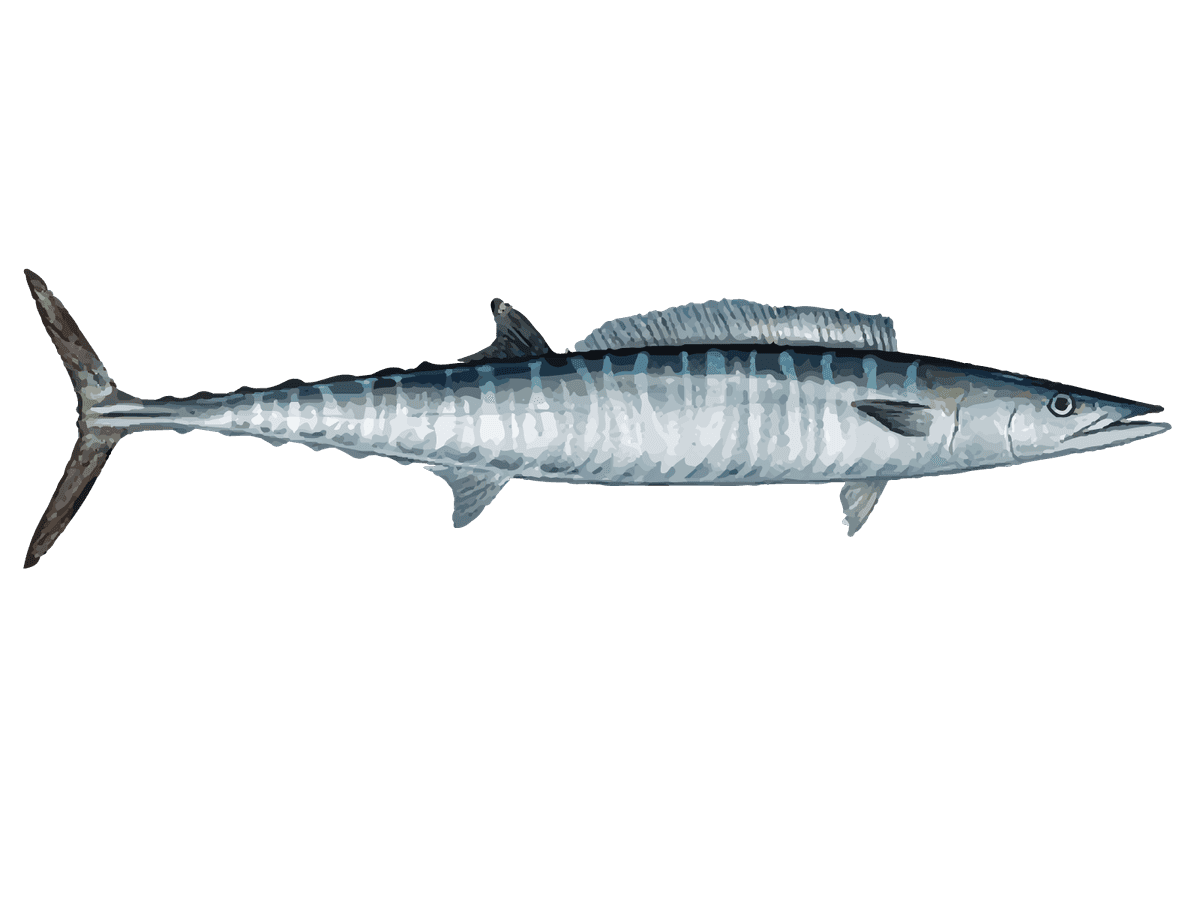
 Wahoo Fish
- Eight-hour offshore adventure accommodating up to six anglers starting 7AM
- Seasonal fishing targeting mahi, tuna, kingfish, sailfish, and snapper species
- Live bait provided with kite fishing and trolling techniques employed
Trip Pricing and Availabilities:
Trip pricing information is temporarily unavailable.
8 Hour Fort Lauderdale Offshore Fishing Adventure
When you want the full offshore experience without cutting corners, this 8-hour deep sea fishing trip out of Fort Lauderdale is exactly what you're looking for. We're talking about heading 20+ miles into the blue water where the real action happens. Starting at 7 AM sharp, you'll have the entire day to chase whatever's biting, and trust me, with that much time on the water, we can really dial in on the fish. This isn't your typical half-day charter where you're rushing back to the dock just when things get good. With up to 6 anglers on board, there's plenty of room to spread out and everyone gets their shot at some serious fish.
What to Expect on the Water
The beauty of an 8-hour trip is flexibility. We've got time to adjust our game plan based on what Mother Nature throws at us. During the summer months, we're primarily trolling for the pelagics – mahi mahi, blackfin tuna, kingfish, and sailfish. When we mark a good piece of structure or find the conditions are right, we'll drop down and do some bottom fishing for snapper and grouper. The extended time frame means we can chase birds, work temperature breaks, and really hunt for the bite instead of being locked into one technique all day. In the cooler months, we'll often deploy kites to cover more water and target those bigger offshore species that cruise the edge. Live bait is usually part of the program, and we'll either catch it on the way out or pick some up depending on what's available and what the fish are wanting.
Gear and Tactics That Work
We run a mix of techniques depending on the season and conditions. Trolling is our bread and butter, especially when we're covering ground looking for schools of mahi or trying to raise a sail. We'll pull a spread of baits at different depths and distances to figure out what they want. When we find fish, we might switch to live bait or start chunking to keep them around the boat. Kite fishing is a game-changer when conditions allow – it lets us present baits naturally on the surface while covering a much larger area than traditional methods. The gear is all provided, from the heavy offshore rods for big fish to the lighter tackle when we want to have some fun with smaller species. Circle hooks are standard for most applications, especially when we're targeting billfish for release. The key is being ready to switch tactics when the fish tell us to, and with 8 hours, we've got the time to really work different approaches.
Species You'll Want to Hook
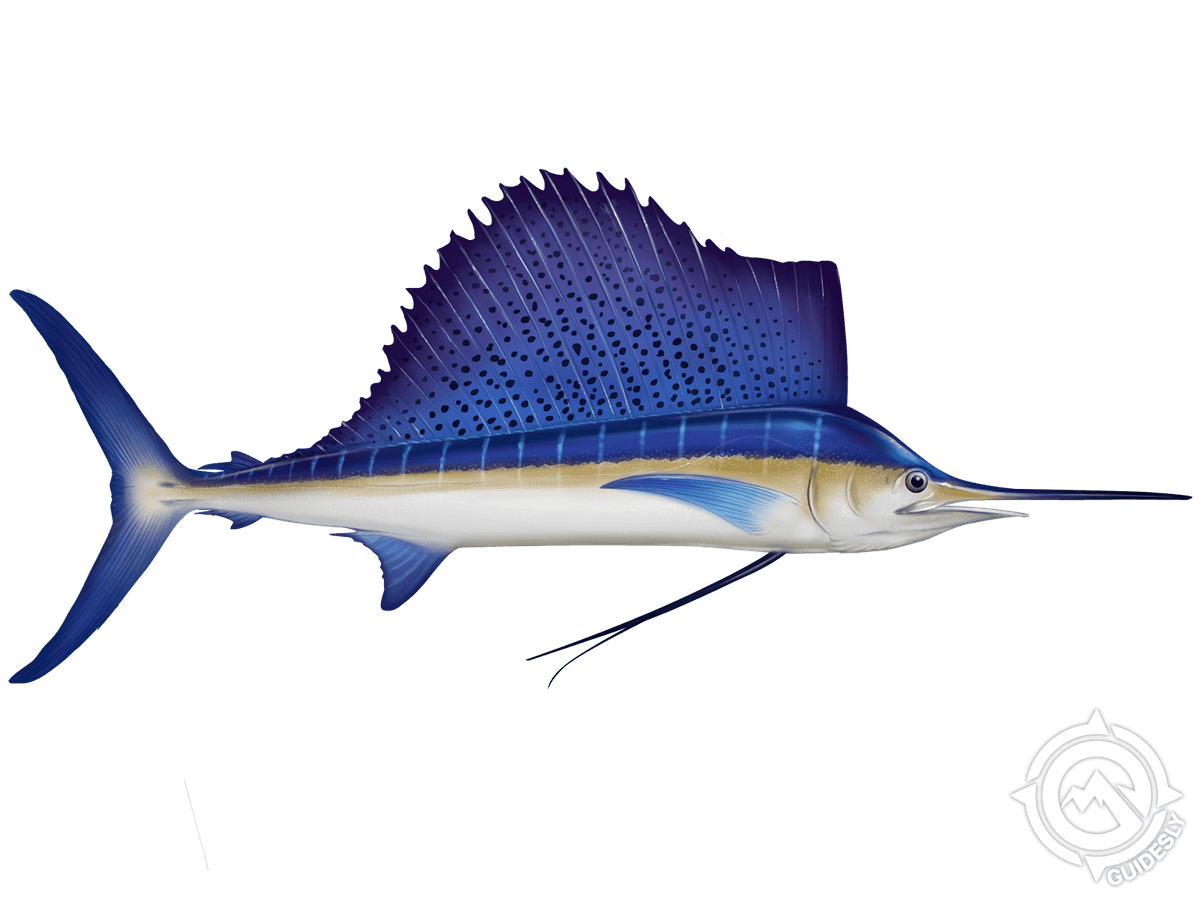
Atlantic Sailfish are the crown jewel of South Florida offshore fishing, and Fort Lauderdale sits right in the heart of some of the best sailfishing waters on the planet. These incredible fish show up in good numbers from November through April, with peak action typically in the winter months. What makes sails so special isn't just their size – they can push 8 feet long – but the way they fight. When a sail comes up behind your bait and lights up with those electric blue stripes, your heart starts pounding. They'll jump, tail-walk, and put on a show that you'll be talking about for years. Most anglers practice catch and release with sailfish, making for great photos and conservation.
King Mackerel, or "smoker kings" as we call the big ones, are year-round residents that can absolutely smoke your drag when they want to. These fish are speed demons, and a 30+ pound king can strip line faster than you'd believe. They're excellent table fare too, which makes them a favorite among charter guests who want to take home some dinner. Kings respond well to both live bait and trolled dead baits, and they're often found around structure, temperature breaks, and bait schools. The bigger fish tend to be more solitary, while the smaller "school kings" often travel in groups.
Mahi Mahi or Common Dolphinfish are probably the most exciting fish to catch in the summer months around Fort Lauderdale. These colorful fighters are known for their acrobatic jumps and stunning golden-green coloration. Mahi are notorious for traveling in schools, so when you find one, there are usually more around. They're also one of the best eating fish in the ocean, with firm white meat that's perfect for grilling. Mahi love floating debris, weed lines, and temperature changes, making them a perfect target for our trolling techniques. The bigger bull mahi can reach 50+ pounds and will give you a fight you won't forget.
Wahoo Fish are the speed kings of the offshore world, capable of reaching speeds over 60 mph. These torpedo-shaped predators have razor-sharp teeth and an attitude to match. Wahoo are typically caught while trolling at higher speeds, and they hit baits with incredible force. They're known for making long, blistering runs that will test your equipment and your patience. The meat is excellent – similar to mahi but with a slightly firmer texture. Wahoo can be found year-round in Fort Lauderdale waters, but they're more common in the fall and winter months when the water starts to cool down.
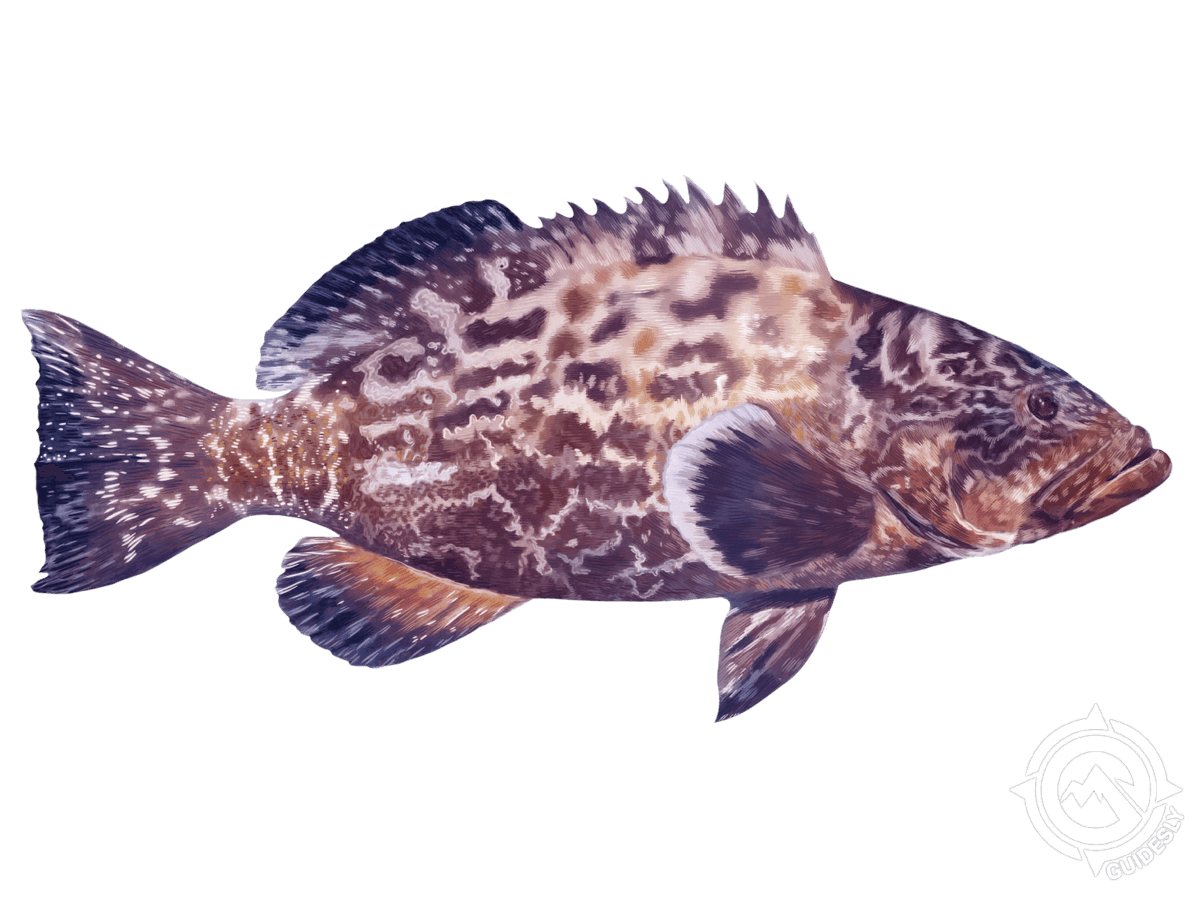
Black Grouper are the heavyweight champions of the bottom fishing world around here. These powerful fish live around structure in 80-200 feet of water and are known for their bulldogging fights. When you hook a big black grouper, your first job is stopping them from getting back to their hole, because once they do, you're probably not getting them out. They can reach impressive sizes, with fish over 50 pounds not uncommon. Black grouper are excellent table fare and are a prized catch among serious bottom fishermen. They respond well to live bait, large chunks of cut bait, and sometimes even slow-trolled baits around structure.
Time to Book Your Spot
This 8-hour offshore adventure represents the best value for serious anglers who want maximum time on the water without compromise
Learn more about the animals
Atlantic Sailfish
Atlantic sailfish are the showstoppers of offshore fishing - these blue-gray speedsters with their massive dorsal fins put on quite a display when hooked. Most run 6-8 feet and 30-60 pounds, though we've seen bigger. They cruise the surface waters 30-65 feet down, usually 15+ miles offshore in our warm Gulf Stream waters. Summer through fall gives us the best action when they're feeding actively on baitfish. What makes them special? The fight - they'll jump, dive, and strip line like nothing else out there. Plus they change colors when excited, flashing blue and silver stripes. Here's the key: when one hits, don't horse it. Let them run first, then work them steady. And keep that drag smooth - their bills are sharp and they'll throw the hook if you get too aggressive with them.
Black Grouper
Black grouper are the bulldogs of the reef - thick, powerful fish that'll test your arm strength and drag system. These olive and gray bruisers average 20-40 pounds but can push 100+ pounds in the right spots. We find them on wrecks, ledges, and rocky bottom in 60-200 feet, depending on season. Cooler months bring them shallower where they're easier to target. What guests love is the pure power - no fancy jumps, just raw strength trying to get back to the rocks. And the table fare is excellent, firm white meat with a mild flavor that's hard to beat. Here's the critical part: when you hook one, crank hard immediately. Don't give them time to think or they'll wrap you around the structure and it's game over. Heavy tackle and high drag are essential for these reef warriors.
King Mackerel
King mackerel are the speed demons that'll test your reflexes and gear. These silver torpedoes average 20-40 pounds but can push 60+ pounds, with razor-sharp teeth and serious attitude. We find them in 40-150 feet of water around structure, drop-offs, and bait schools. Summer months are prime time when they're actively feeding near the surface. What guests love is the explosive strike - kings hit trolled baits like a freight train and make screaming runs that'll empty your reel fast. The meat's excellent too, firm white fillets perfect for the grill. Pro tip: always use wire leader, at least 40-pound test. These fish will slice through mono or fluoro without hesitation. When one hits, let it run first - trying to stop that initial burst will just pull the hooks.
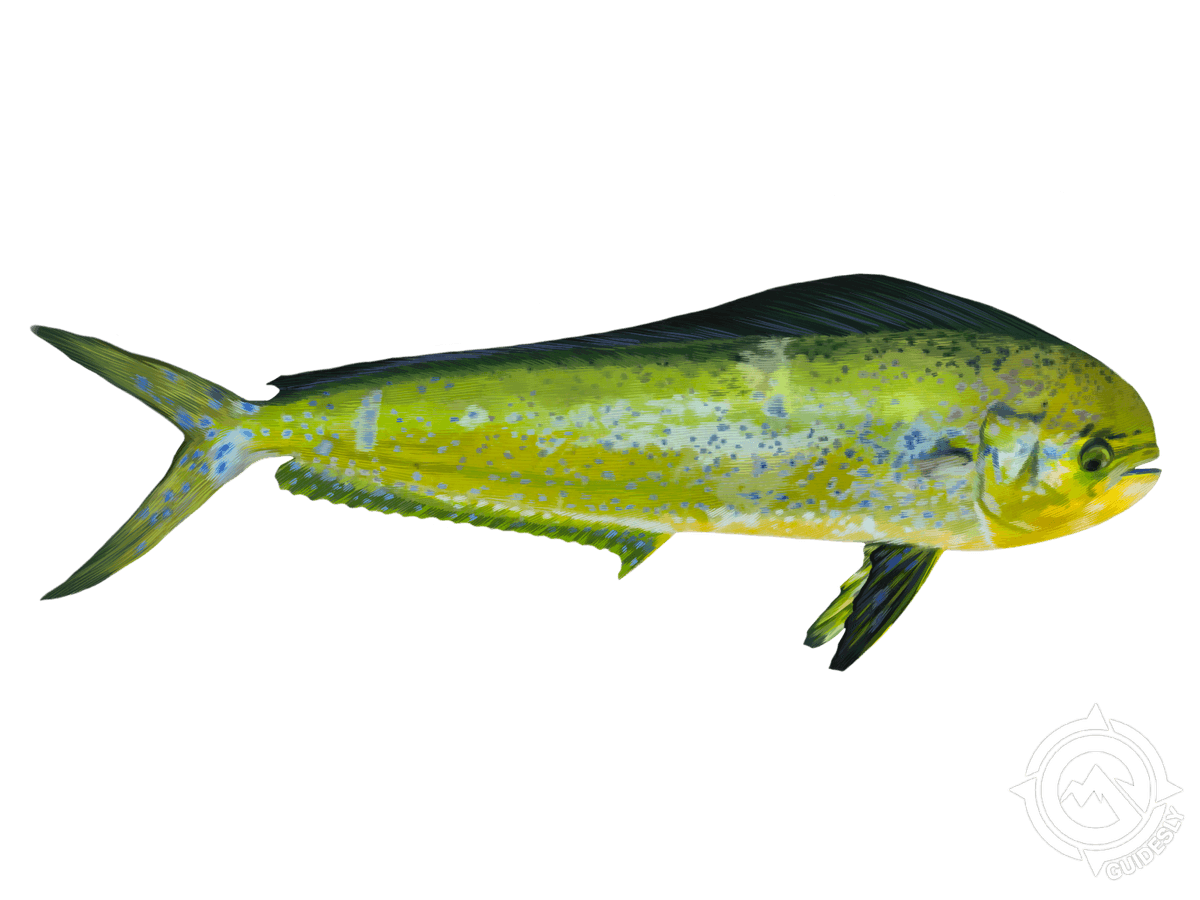
Mahi Mahi or Common Dolphinfish
Mahi are the most colorful fish you'll catch offshore - brilliant gold, green, and blue that puts on a light show when they come to the boat. Most run 15-30 pounds and 3-4 feet, with the big bulls having that distinctive square head. We find them around floating debris, weed lines, and current edges in blue water, usually within 20 miles. Summer's peak season when they're thick on the troll. What makes them special is the whole package - beautiful fish, great fight with lots of jumps, and some of the best eating in the ocean. Sweet, flaky white meat that's perfect any way you cook it. Here's a local trick: when you hook one, leave it in the water and get more lines out fast. Mahi travel in schools, and that hooked fish will keep the others around for multiple hookups.
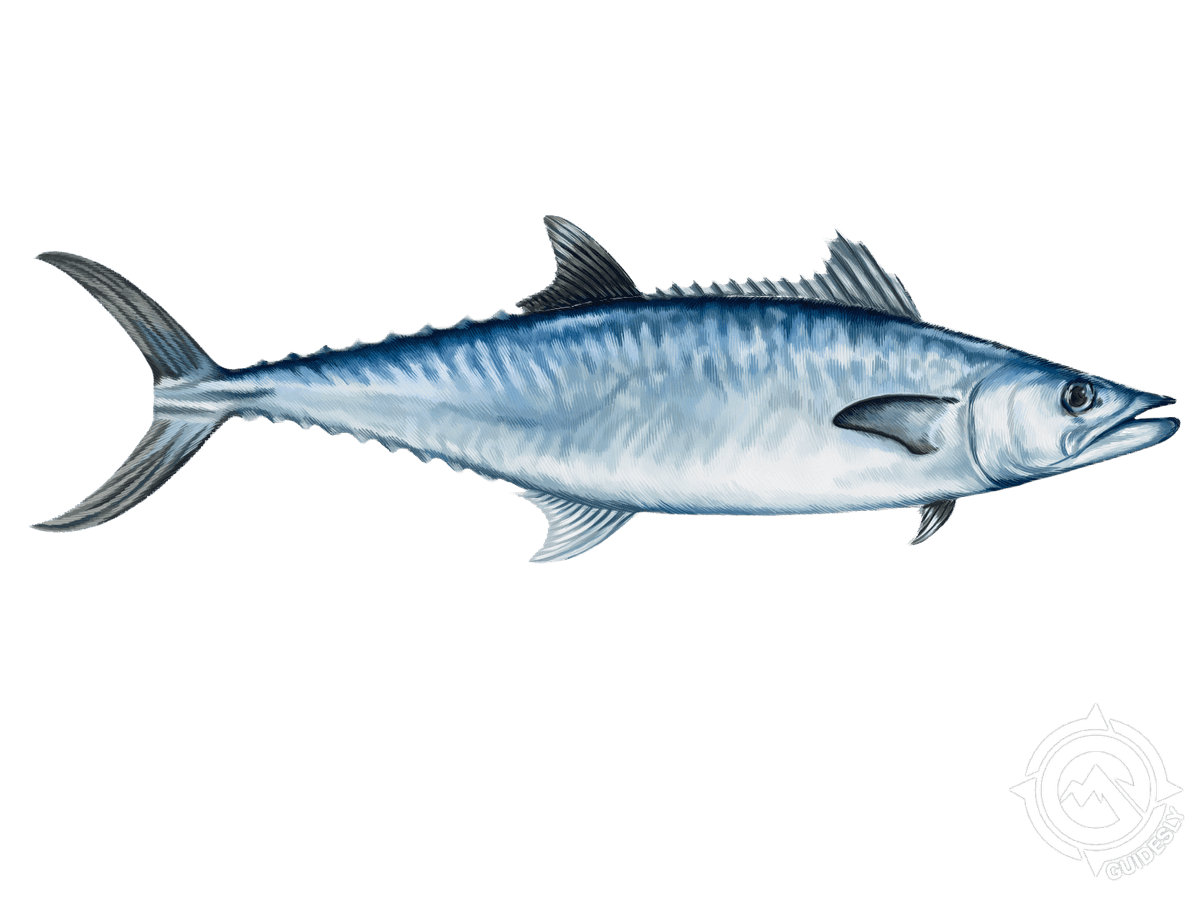
Wahoo Fish
Wahoo are pure speed and muscle wrapped in silver with blue tiger stripes. These bullets average 30-60 pounds and can hit 60 mph - fastest thing with fins out there. We target them in 40-200 feet around drop-offs and blue water edges, usually trolling at 12-15 knots. Winter and spring months are best when they're moving through our waters. What gets anglers fired up is that explosive strike and blistering run that'll test your drag system. Plus the meat is top-shelf - firm, white, and mild like premium tuna. Here's the deal with wahoo: you need wire leader, period. Their teeth are like razors and they'll cut 80-pound mono like tissue paper. Keep your trolling speed up and use smaller lures - they prefer fast-moving baits that mimic flying fish and smaller tunas.