%2Ffit-in%2F250x250%2Fguide_websites%2F59254%2Fimages%2F1767925482418480084315_122136792140476173_5654504738265136459_n.jpg&w=1200&q=100)
/users/564bf745-821e-4f18-8ee6-ed03d6426198/ratecard/1-mk2c5ft4.jpg)
%2F300x300%2Fusers%2F564bf745-821e-4f18-8ee6-ed03d6426198%2Fratecard%2F1-mk2c5ft4.jpg&w=256&q=75)
%2F300x300%2Fusers%2F564bf745-821e-4f18-8ee6-ed03d6426198%2Fimages%2F9bc38fc8-9046-4eb5-8c06-985305ee961d.mov%23ynbsaxn0mddraqjfebtszwnvbw1lbmrlzezvckltbwvyc2l2zu1vzguqaaglkqaaaaaaaaebaaaaaaaaaamaaaaaaaaaaaaaaaaaaaar&w=256&q=75)
%2F300x300%2Fusers%2F564bf745-821e-4f18-8ee6-ed03d6426198%2Fimages%2Ffishing-trio-great-day-florida-3386.jpg&w=256&q=75)
%2F300x300%2Fusers%2F564bf745-821e-4f18-8ee6-ed03d6426198%2Fimages%2Fvermilion-rockfish-fort-lauderdale-catch-5814.png&w=256&q=75)
%2F300x300%2Fusers%2F564bf745-821e-4f18-8ee6-ed03d6426198%2Fimages%2Fmutton-snapper-fort-lauderdale-2589.jpg&w=256&q=75)
%2F300x300%2Fusers%2F564bf745-821e-4f18-8ee6-ed03d6426198%2Fimages%2Ffantastic-fort-lauderdale-fishing-2572.jpg&w=256&q=75)
%2F300x300%2Fusers%2F564bf745-821e-4f18-8ee6-ed03d6426198%2Fimages%2Fblue-marlin-fishing-fort-lauderdale-2528.jpg&w=256&q=75)
%2F300x300%2Fusers%2F564bf745-821e-4f18-8ee6-ed03d6426198%2Fimages%2Ffishing-fun-fort-lauderdale-2608.jpg&w=256&q=75)
%2F300x300%2Fusers%2F564bf745-821e-4f18-8ee6-ed03d6426198%2Fimages%2Fcubera-snapper-fishing-fl-2619.jpg&w=256&q=75)
%2F300x300%2Fusers%2F564bf745-821e-4f18-8ee6-ed03d6426198%2Fimages%2Ffantastic-wahoo-catch-florida-2587.jpg&w=256&q=75)
%2F300x300%2Fusers%2F564bf745-821e-4f18-8ee6-ed03d6426198%2Fimages%2Fgreat-fishing-trip-florida-2685.jpg&w=256&q=75)
Get Reel Sunset Fishing Fort Lauderdale
 Fort Lauderdale, FL
What you will be catching:
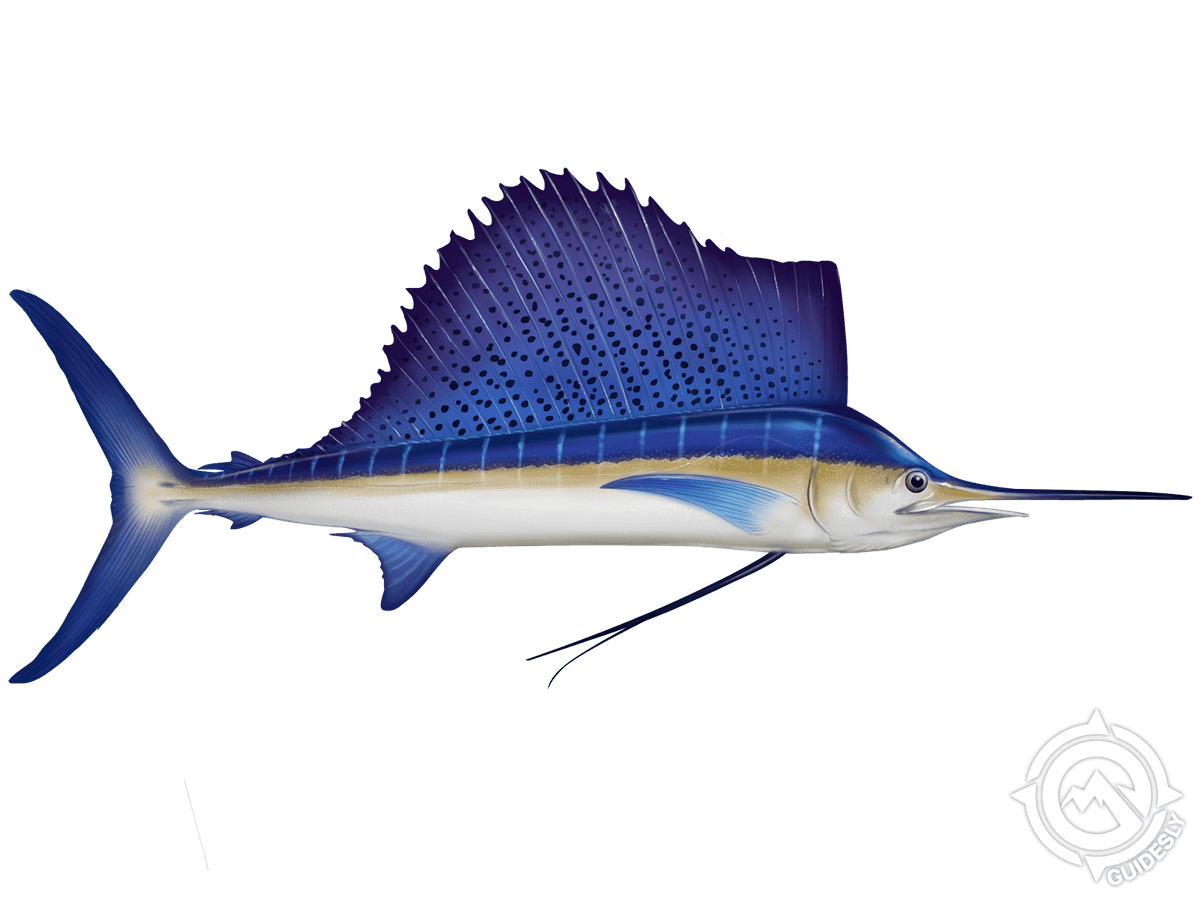
 Atlantic Sailfish
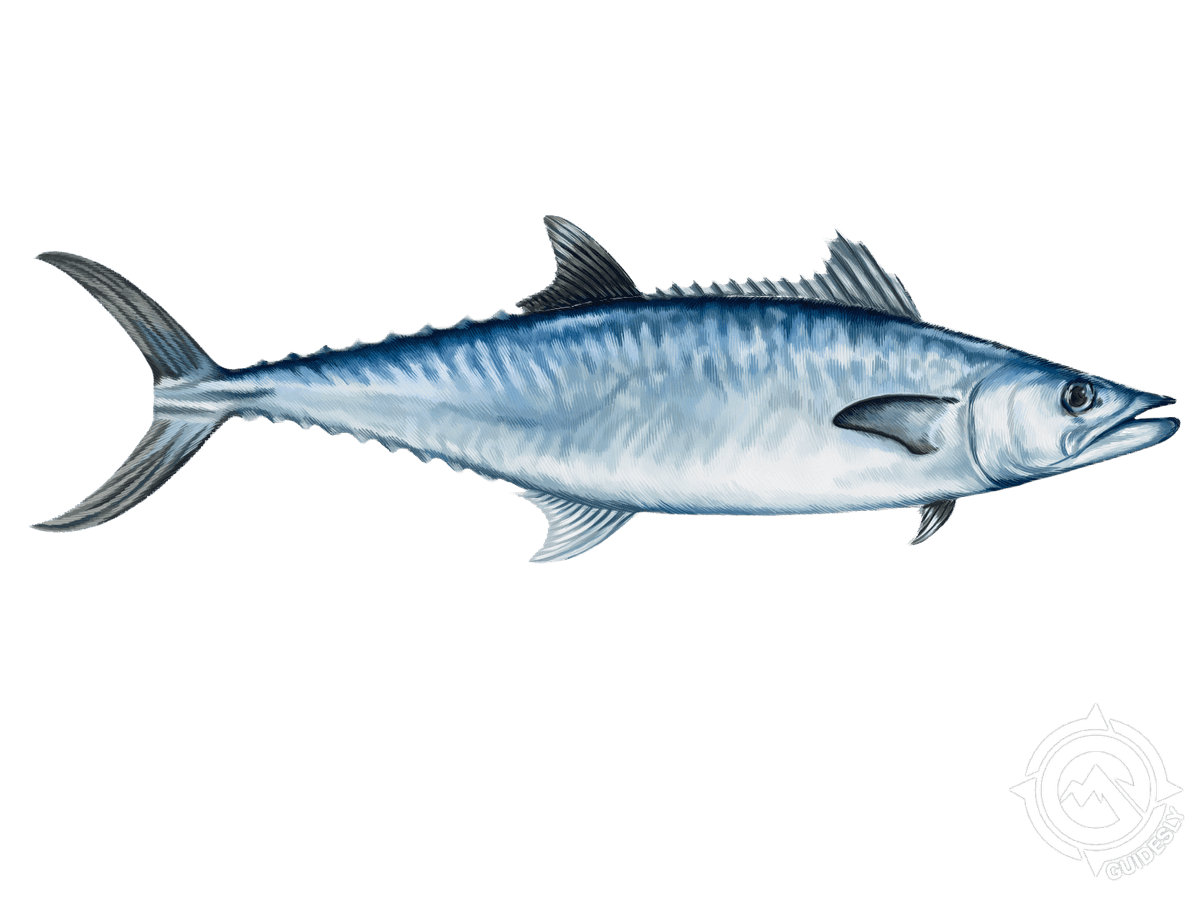
 King Mackerel
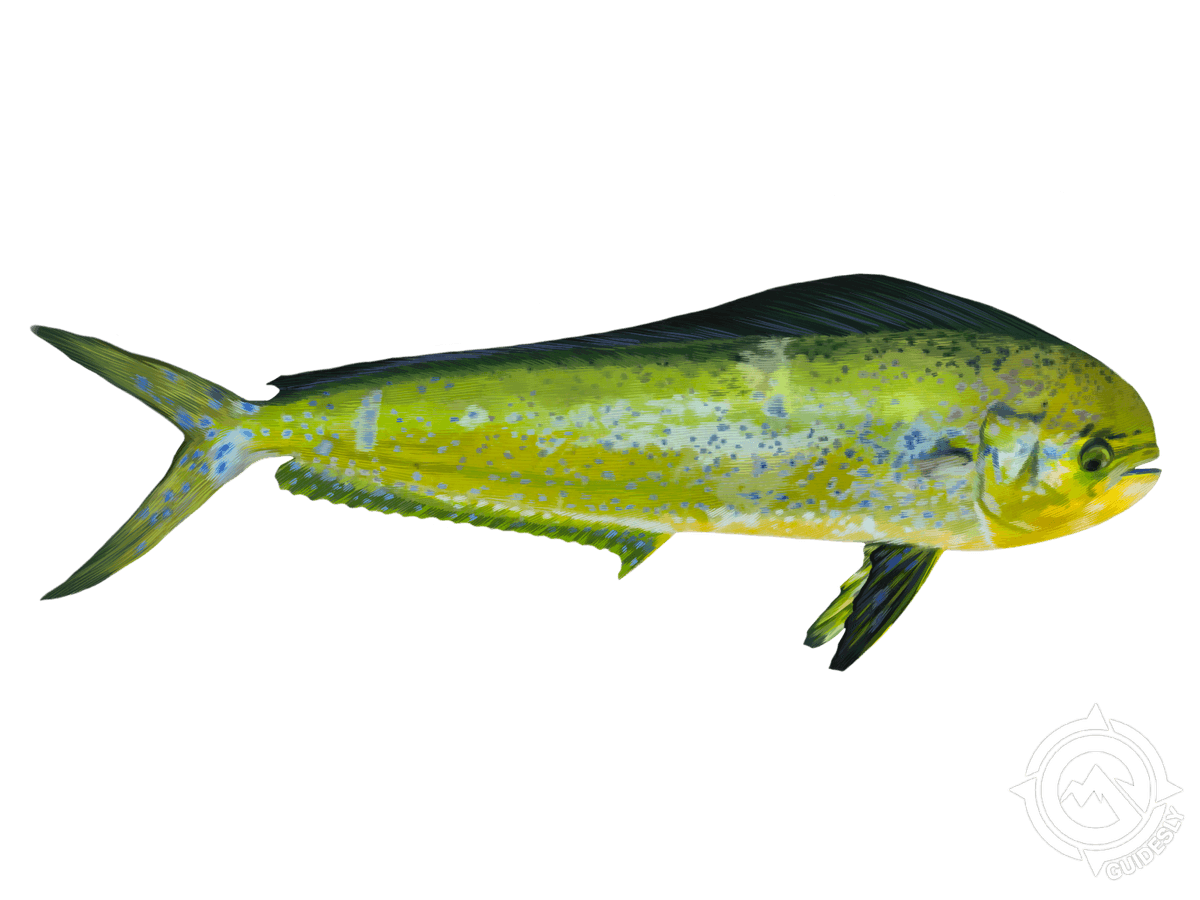
 Mahi Mahi or Common Dolphinfish
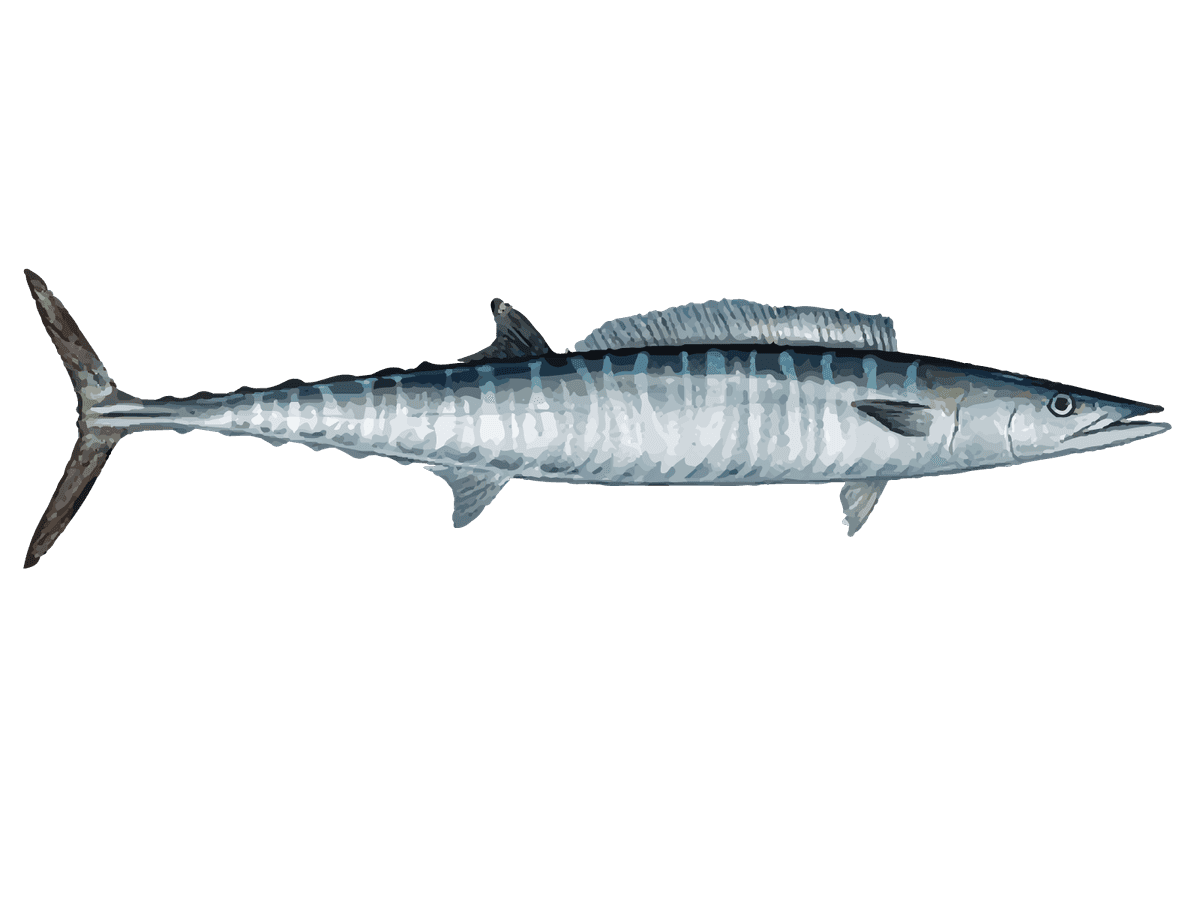
 Wahoo Fish
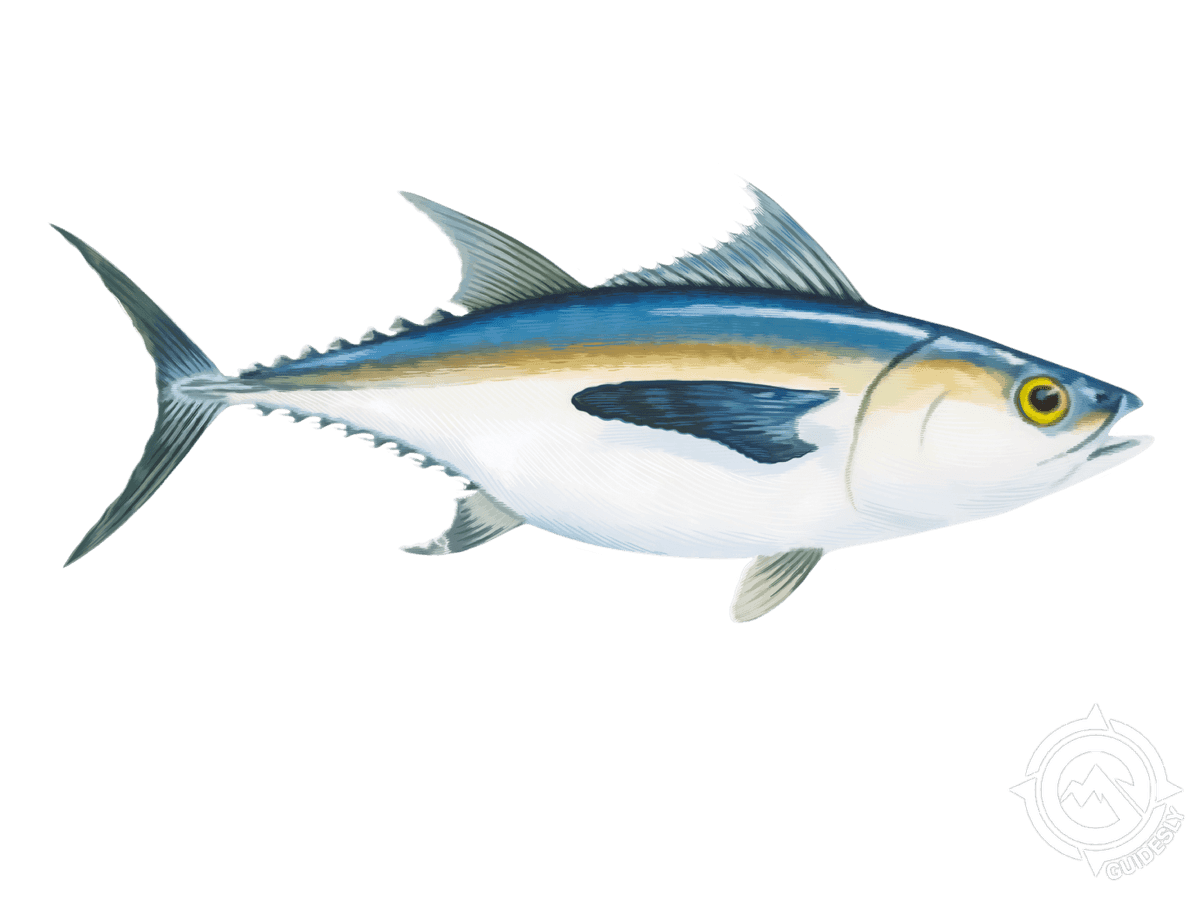
 Blackfin Tuna
- 4-hour evening charter targeting snapper on nearshore reefs March-October
- All equipment provided including rods, reels, bait and tackle for beginners
- Accommodates up to 6 passengers for relaxed sunset fishing experience
Trip Pricing and Availabilities:
Trip pricing information is temporarily unavailable.
Sunset Fishing Trip in Fort Lauderdale
Picture this: the afternoon heat starts to break, the water calms down, and you're headed out for some of the best fishing Fort Lauderdale has to offer. Get Reel Sportfishing's sunset trip is hands down one of those experiences that hits different. Running from March through October, this 4-hour evening adventure kicks off at 4 PM when the conditions are prime and the fish are starting to get active. You'll have space for up to 6 people, making it perfect for families, couples, or a small group of friends who want to mix some solid fishing with those picture-perfect South Florida sunset views.
What to Expect on the Water
This isn't one of those rushed, high-pressure fishing trips where you're constantly moving. The sunset charter has a completely different vibe – it's all about taking your time and enjoying the experience. Captain and crew know that evening fishing is as much about the atmosphere as it is about what you're pulling up from the depths. You'll start by heading out to some productive nearshore spots and reefs where the fish tend to congregate as the sun starts its descent. The beauty of fishing this time of day is that you get the best of both worlds: active fish and comfortable conditions. No blazing sun beating down on you, calmer seas, and that golden hour lighting that makes everything look amazing. Whether you're a complete beginner or someone who's been fishing for years, this trip works. The crew keeps things relaxed and educational, so you'll actually learn something while you're out there having fun.
Gear Setup & Fishing Style
Everything you need is already on board, which is a huge plus. Rods, reels, bait, tackle – it's all covered, so you can just show up ready to fish. The crew uses tried-and-true techniques that work well in low light conditions, focusing on methods that are effective but not overly complicated. We're talking about straightforward bottom fishing and some light trolling depending on what's biting. The nearshore reefs around Fort Lauderdale are loaded with structure, and that's where you'll spend most of your time. These spots hold fish year-round, but they really come alive in the evening when the daytime boat traffic dies down and the water settles. The crew knows exactly where to position the boat to maximize your chances, and they're not shy about moving if the action slows down. You'll be using circle hooks and natural baits most of the time – simple, effective, and perfect for the species you're targeting in these waters.
Top Catches This Season
The target species list for this trip reads like a who's who of South Florida offshore fishing. Blackfin Tuna are absolute fighters and one of the most rewarding fish you can hook in these waters. These guys typically run between 10-30 pounds and are known for their speed and stamina. They're most active during the warmer months, which coincides perfectly with the sunset trip season. What makes them special is their incredible strength relative to their size – they'll test your drag and give you a workout that's totally worth it. Atlantic Sailfish are the crown jewel of South Florida fishing, and while they're more commonly caught during the winter months, early and late season trips sometimes produce these magnificent fish. They're pure adrenaline on a fishing line, known for their spectacular jumps and lightning-fast runs. King Mackerel, or "Kings" as locals call them, are another customer favorite. These toothy predators can reach impressive sizes and are notorious for their aggressive strikes and powerful runs. They're particularly active during the spring and fall months when they're moving through South Florida waters in large schools. Mahi Mahi, also known as Common Dolphinfish, are arguably the most beautiful fish you'll encounter out there. Their brilliant colors and acrobatic fighting style make them a joy to catch, plus they're excellent eating. They're most abundant during the summer months and are often found around floating debris or weed lines. Wahoo are the speed demons of the offshore world, capable of reaching speeds up to 60 mph. They're less common than the other species but when you hook one, you'll never forget it. Their initial run is absolutely explosive, and their razor-sharp teeth and sleek profile make them one of the most respected fish in these waters.
Time to Book Your Spot
If you're looking for a fishing trip that combines solid action with a more relaxed pace, this sunset charter checks all the boxes. The seasonal schedule means you're fishing during optimal conditions when both weather and fish activity align perfectly. The 6-person capacity keeps things intimate and ensures everyone gets plenty of attention from the crew. Plus, there's something special about being on the water as the sun sets over South Florida – it's the kind of experience that sticks with you long after you're back on dry land. Keep in mind that deposits are non-refundable, so make sure your dates work before you commit. But honestly, with Get Reel Sportfishing's reputation and the quality of fishing around Fort Lauderdale, you're setting yourself up for a trip that delivers on all fronts. Whether you're celebrating something special, introducing someone new to offshore fishing, or just want to unwind after a busy week, this sunset trip offers the perfect blend of fishing action and pure relaxation that makes South Florida such a world-class fishing destination.
Learn more about the species
Atlantic Sailfish
These are the showstoppers of the offshore world - up to 10 feet of pure speed and aerial acrobatics. That massive dorsal fin isn't just for looks; they use it to herd baitfish while hunting. Most sail between 6-8 feet and weigh 40-60 pounds, but they fight way above their weight class. You'll find them in 30-200 feet of water, especially around current edges and floating debris. Winter months are prime time here in South Florida - they migrate through in good numbers from December through March. What guests love most is the jumping show; these fish go airborne repeatedly, tail-walking and gill-rattling like nothing else. The meat's decent but most folks release them. When one shows up on your teaser, let it get good and fired up before pitching the bait - an excited sailfish is much more likely to eat.
King Mackerel
Kings are the speed demons of our nearshore waters, hitting lures at 30+ mph and making screaming runs that'll test your drag. These silver bullets typically run 10-40 pounds, with the big females pushing 50-60 pounds during peak season. Look for them in 40-150 feet around structure, drop-offs, and bait schools. Spring and fall are prime time when they're migrating through - March to May and September to November. What makes them popular is that explosive first run and excellent eating quality. Their razor-sharp teeth will cut through mono in a heartbeat, so always use wire leaders. They're ambush predators that hit the back half of live bait, so rig with a stinger hook about 6 inches behind your main hook. Once you hook up, keep steady pressure - they'll throw the hook if you give them slack during those wild jumps.
Mahi Mahi or Common Dolphinfish
Mahi are the most colorful fighters in our waters, flashing gold, green, and blue as they jump and dive. These surface dwellers average 15-30 pounds but can push 50+ when conditions are right. You'll find them under floating debris, weed lines, and around current breaks in 100+ feet of water. Peak season runs May through September when they move in close following baitfish. What gets anglers hooked is their aggressive nature and those rainbow colors that light up when they're fighting. Plus, they're outstanding table fare - firm, white meat that grills perfectly. They mature fast and spawn year-round, so the population stays strong. Look for frigate birds working debris piles - that's where you'll find feeding mahi. Once you boat one, keep a few baits in the water because they school up and you can often catch several from the same spot.
Wahoo Fish
Wahoo are pure speed - hitting 60 mph and making blistering runs that'll smoke your reel. These torpedo-shaped fish average 3-5 feet and 30-80 pounds of pure muscle. They cruise open water and edges in 60-200 feet, often around floating objects or structure. Best months here are July through November when they're most abundant. What makes them special is that initial run - nothing else strips line faster - plus they're considered premium eating with delicate, flaky white meat. Their razor teeth will slice through anything but wire, so heavy leaders are a must. Wahoo are loners or travel in small groups, making them trickier to target than schooling fish. High-speed trolling at 12-15 knots with diving lures works best. When you hook up, tighten that drag and hold on - they'll either run straight to the horizon or dive deep, but either way it's game on.
Blackfin Tuna
The smallest tuna in the family, blackfins are fierce fighters that make up for their size with attitude. These beautiful fish show off dark backs with golden sides and bronze-tinted fins. Most run 15-30 pounds, but they'll give you a workout on lighter tackle. They're common in our warm waters year-round, usually found 30-150 feet deep around reefs and drop-offs. Peak season here runs fall through spring when they school up tight. What makes them special is their table quality - sweet, clean meat that's perfect for sashimi or grilled. They've got sharp eyes, so scale down your leader to 30-pound fluorocarbon and use smaller hooks. Pro tip: when you find one, stick around - they travel in schools and you'll often get multiple hookups if you work the area right.