%2Ffit-in%2F250x250%2Fguide_websites%2F59254%2Fimages%2F1767925482418480084315_122136792140476173_5654504738265136459_n.jpg&w=1200&q=100)
/users/564bf745-821e-4f18-8ee6-ed03d6426198/ratecard/2-mk2b9wmj.jpg)
%2F300x300%2Fusers%2F564bf745-821e-4f18-8ee6-ed03d6426198%2Fratecard%2F2-mk2b9wmj.jpg&w=256&q=75)
%2F300x300%2Fusers%2F564bf745-821e-4f18-8ee6-ed03d6426198%2Fimages%2F9bc38fc8-9046-4eb5-8c06-985305ee961d.mov%23ynbsaxn0mddraqjfebtszwnvbw1lbmrlzezvckltbwvyc2l2zu1vzguqaaglkqaaaaaaaaebaaaaaaaaaamaaaaaaaaaaaaaaaaaaaar&w=256&q=75)
%2F300x300%2Fusers%2F564bf745-821e-4f18-8ee6-ed03d6426198%2Fimages%2Ffishing-trio-great-day-florida-3386.jpg&w=256&q=75)
%2F300x300%2Fusers%2F564bf745-821e-4f18-8ee6-ed03d6426198%2Fimages%2Fvermilion-rockfish-fort-lauderdale-catch-5814.png&w=256&q=75)
%2F300x300%2Fusers%2F564bf745-821e-4f18-8ee6-ed03d6426198%2Fimages%2Fmutton-snapper-fort-lauderdale-2589.jpg&w=256&q=75)
%2F300x300%2Fusers%2F564bf745-821e-4f18-8ee6-ed03d6426198%2Fimages%2Ffantastic-fort-lauderdale-fishing-2572.jpg&w=256&q=75)
%2F300x300%2Fusers%2F564bf745-821e-4f18-8ee6-ed03d6426198%2Fimages%2Fblue-marlin-fishing-fort-lauderdale-2528.jpg&w=256&q=75)
%2F300x300%2Fusers%2F564bf745-821e-4f18-8ee6-ed03d6426198%2Fimages%2Ffishing-fun-fort-lauderdale-2608.jpg&w=256&q=75)
%2F300x300%2Fusers%2F564bf745-821e-4f18-8ee6-ed03d6426198%2Fimages%2Fcubera-snapper-fishing-fl-2619.jpg&w=256&q=75)
%2F300x300%2Fusers%2F564bf745-821e-4f18-8ee6-ed03d6426198%2Fimages%2Ffantastic-wahoo-catch-florida-2587.jpg&w=256&q=75)
%2F300x300%2Fusers%2F564bf745-821e-4f18-8ee6-ed03d6426198%2Fimages%2Fgreat-fishing-trip-florida-2685.jpg&w=256&q=75)
Get Reel Shared Drift Fort Lauderdale Trip
 Fort Lauderdale, FL
What you will be catching:
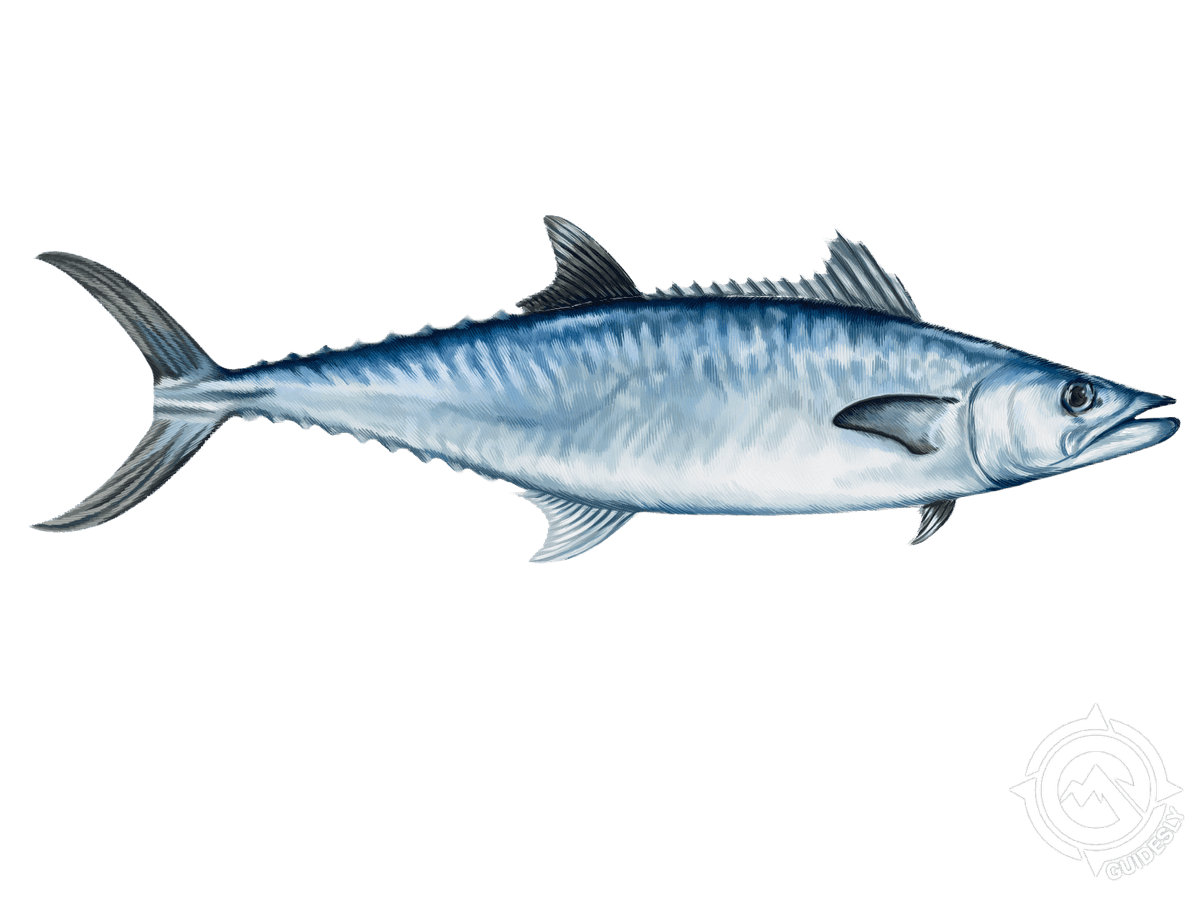
 King Mackerel
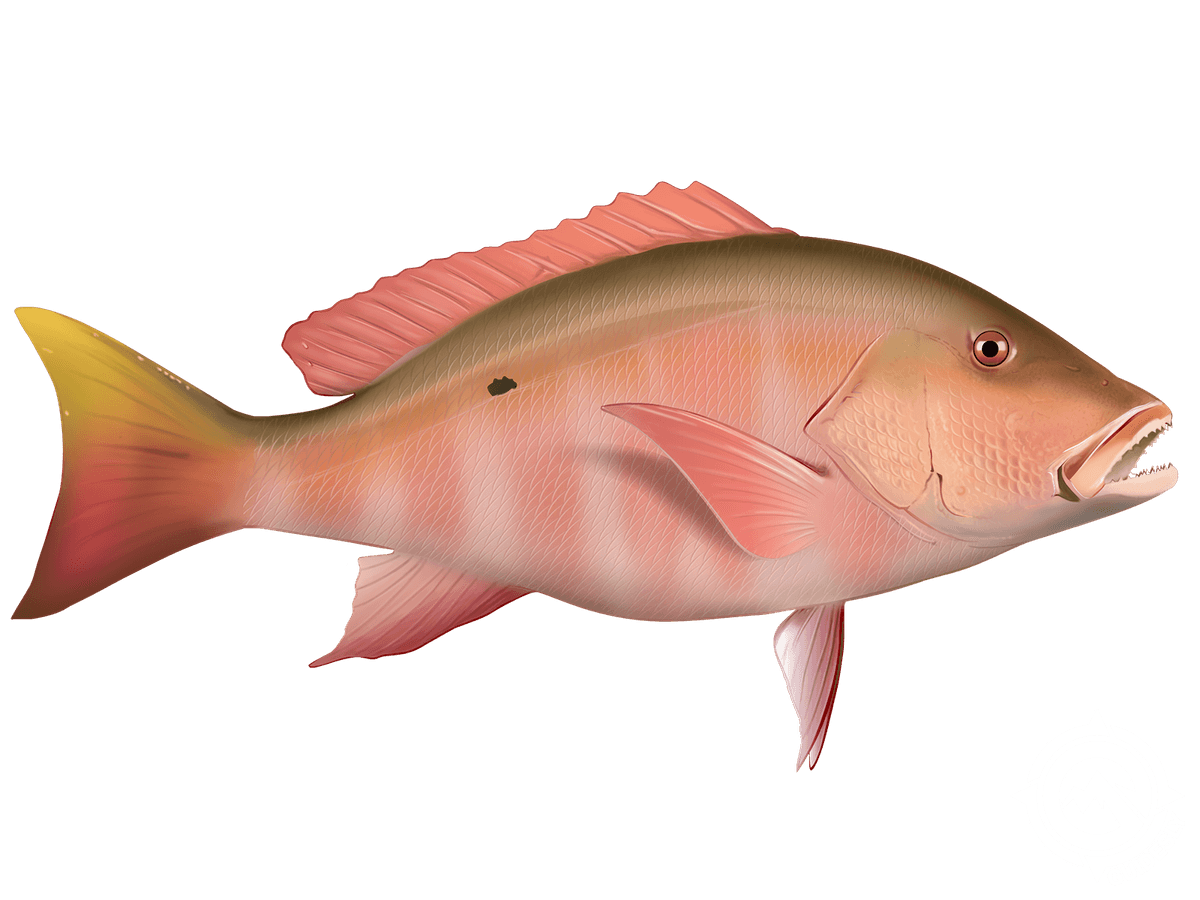
 Mutton Snapper
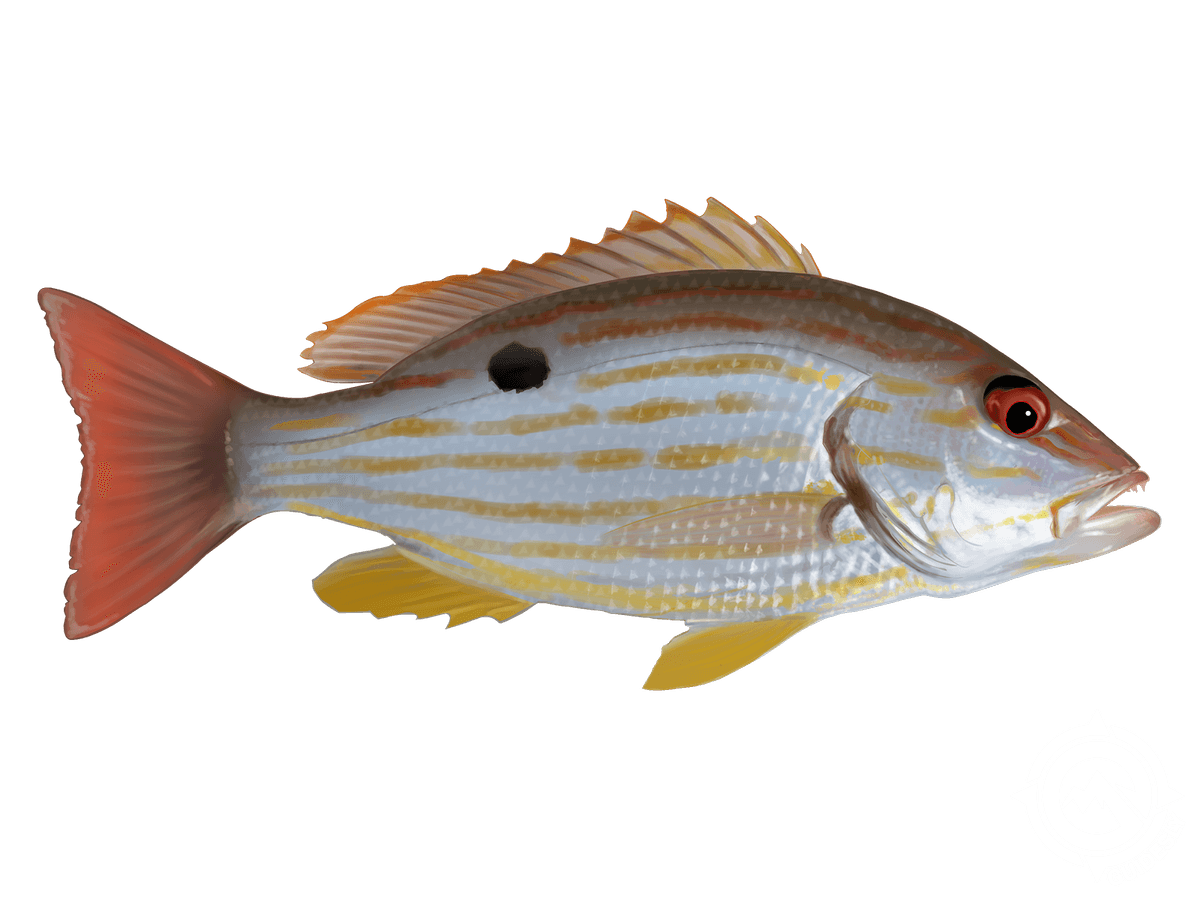
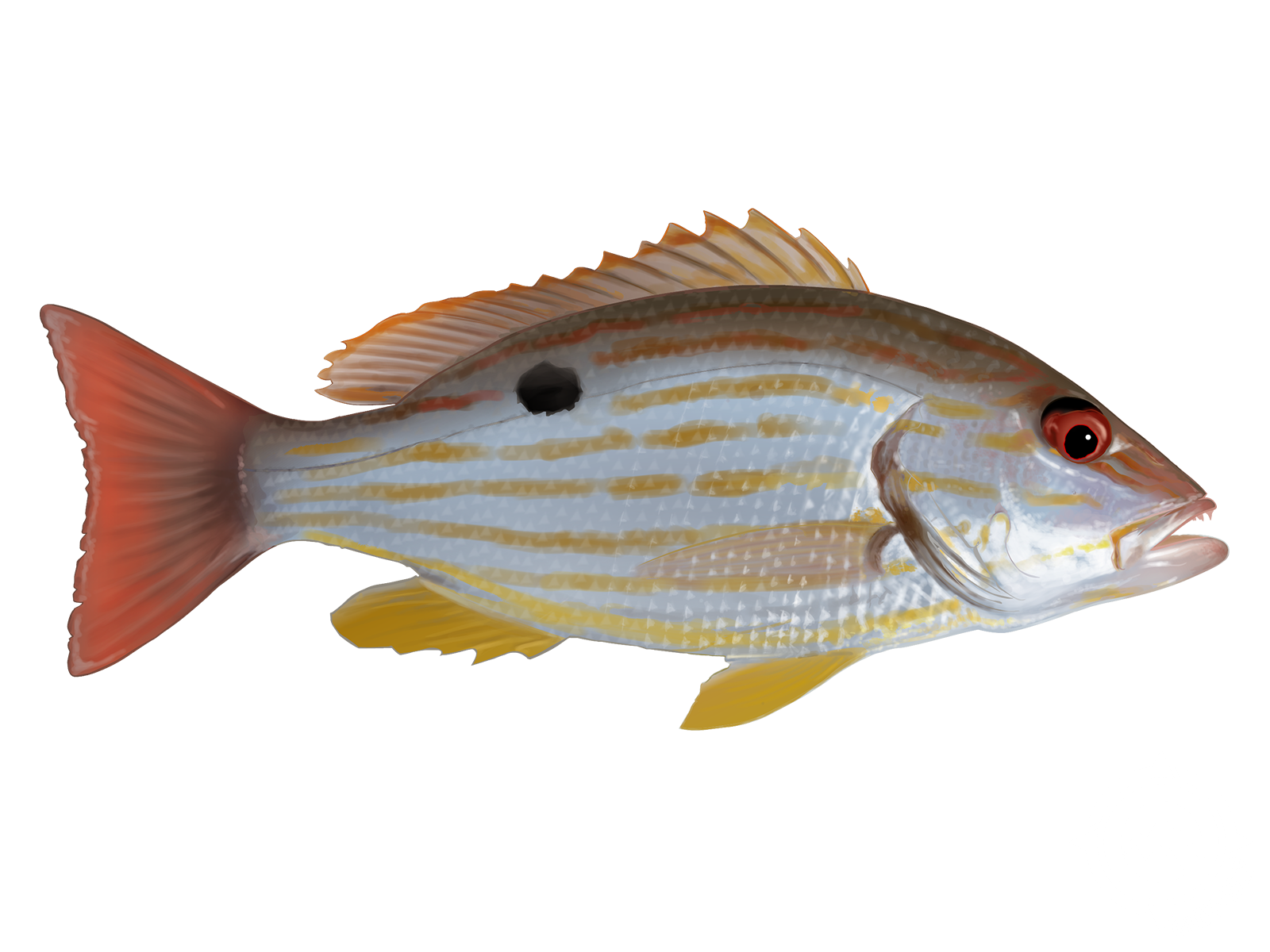 Lane Snapper
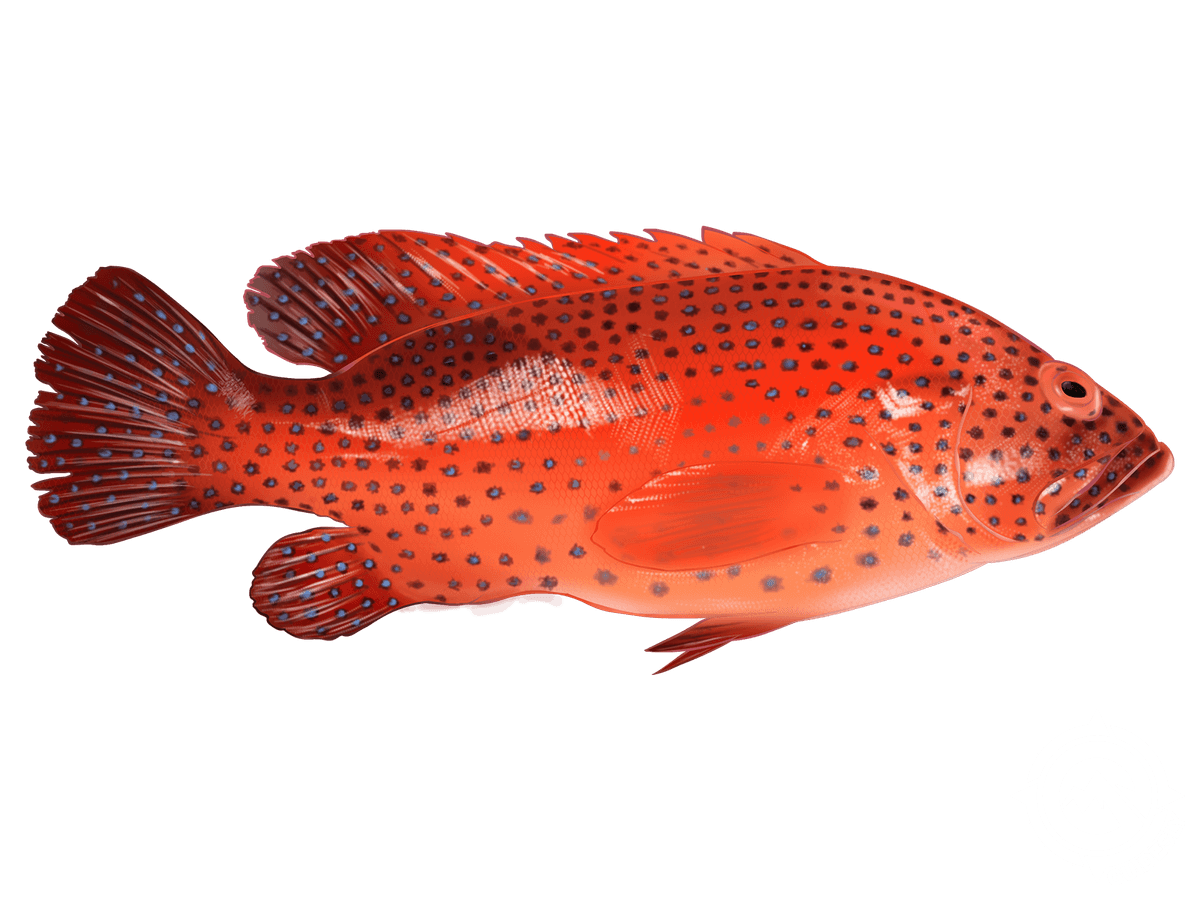
 Red Grouper
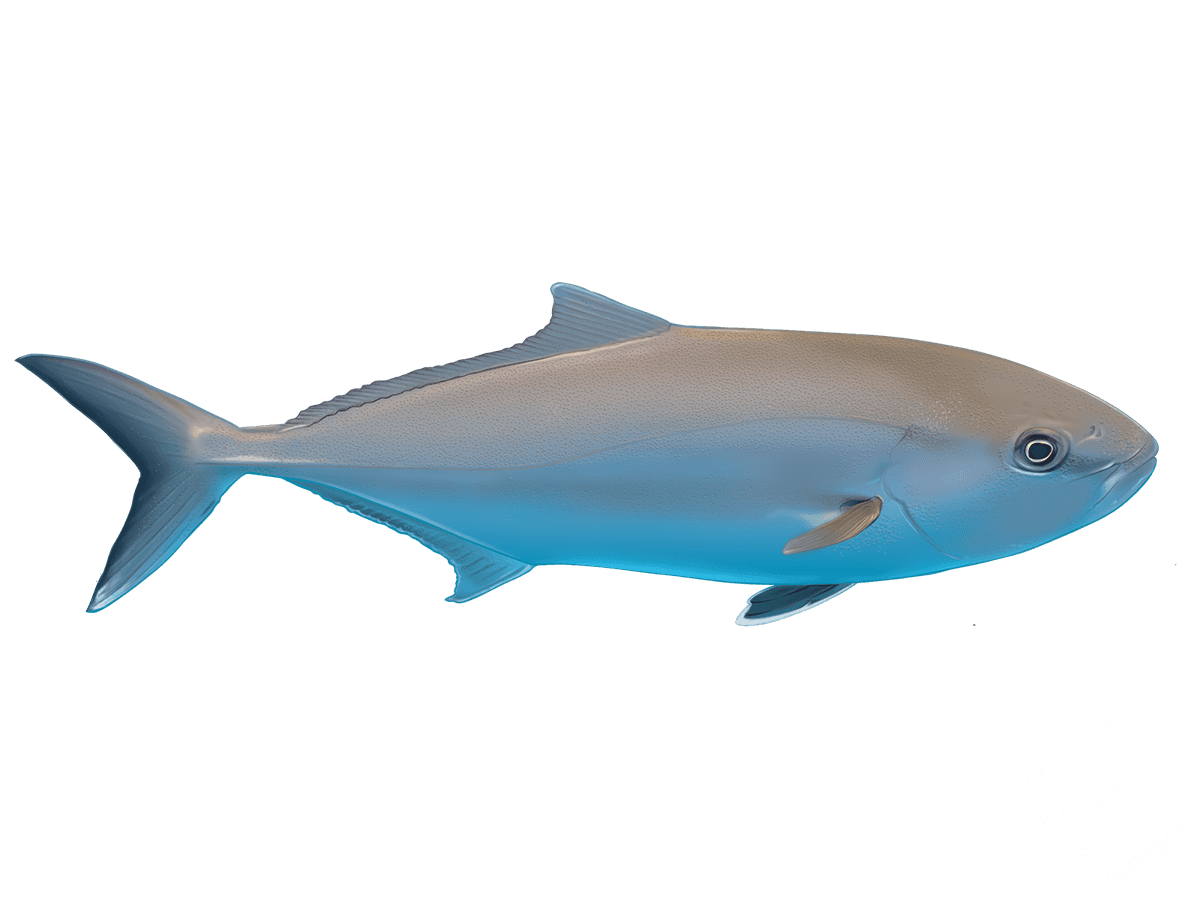
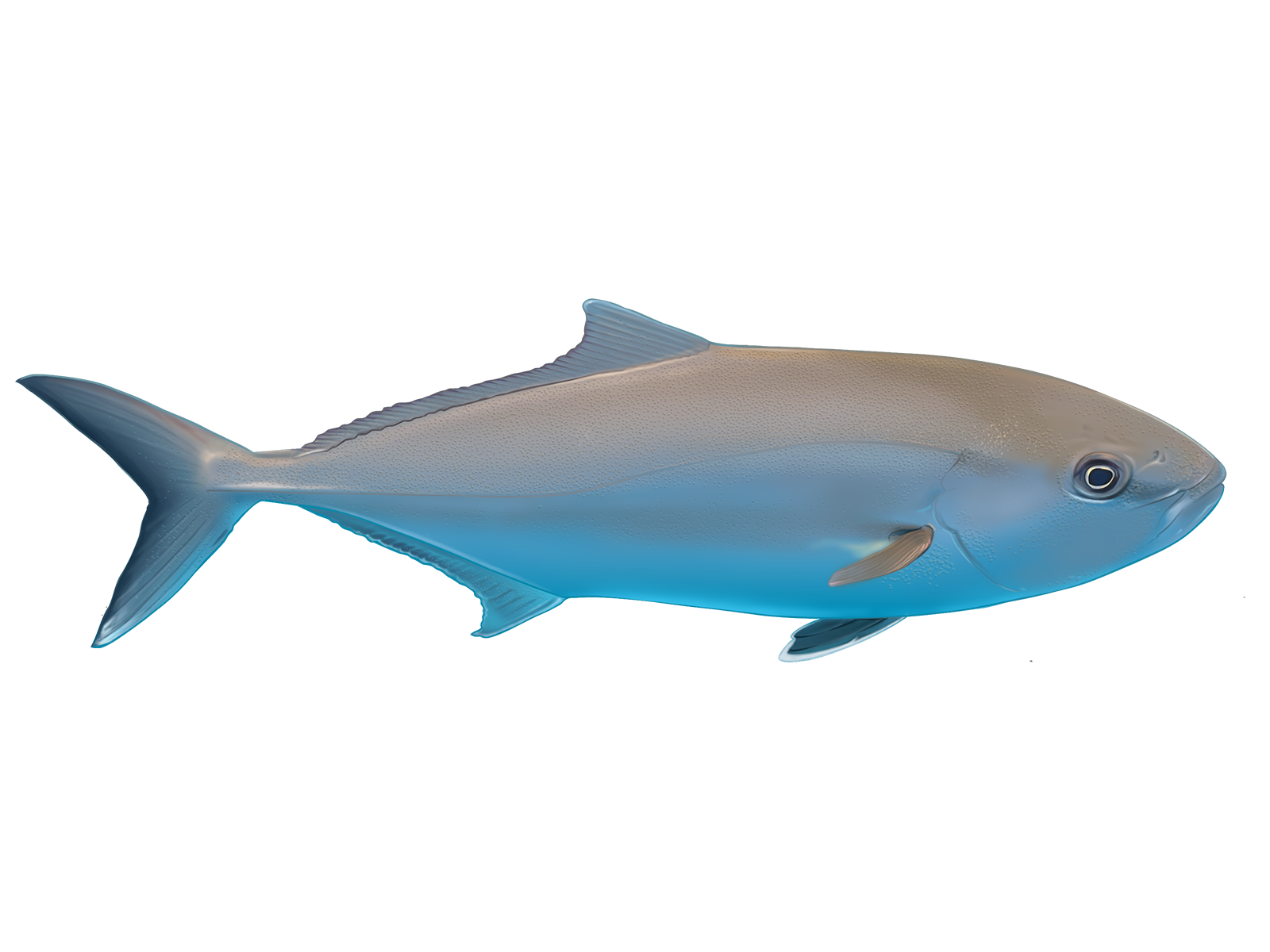 Greater Amberjack
- 4-hour shared drift fishing trip aboard 36-foot GET REEL vessel
- Targets kingfish, mahi, snapper, grouper, and tuna with included gear
- Accommodates multiple groups with 4-guest minimum departure requirement
Trip Pricing and Availabilities:
Trip pricing information is temporarily unavailable.
Shared Charter Drift Fishing in Fort Lauderdale
Looking for a solid day on the water without breaking the bank? Get Reel Sportfishing's shared charter is your ticket to some serious offshore action. This isn't your typical crowded party boat – we're talking about a clean 36-foot center console that gets you out to the productive waters where the fish are biting. Starting bright and early at 8 AM, you'll spend four hours drift fishing over some of Fort Lauderdale's best spots, and trust me, these waters don't disappoint.
What to Expect on the Water
The GET REEL is built for this kind of fishing – spacious enough for comfort but nimble enough to get you where you need to be fast. Captain and crew know these waters like the back of their hand, and they'll put you on fish whether you're a weekend warrior or someone who's never held a rod. The shared format means you might be fishing alongside other anglers, which honestly makes it more fun. You'll swap stories, share techniques, and maybe make some new fishing buddies. The boat needs at least four people to head out, so there's always a good group energy. All your tackle is sorted – rods, reels, bait, the works. Just bring your lunch, some drinks, and don't forget the sunscreen because four hours under the Florida sun will get you.
Drift Fishing Techniques
Drift fishing is the name of the game here, and it's one of the most effective ways to cover water and find active fish. The crew will position the boat over productive bottom structure or along current edges, then let the natural drift do the work. You'll be fishing with light to medium tackle – think spinning reels loaded with 20-30 pound test and circle hooks that make releasing fish clean and easy. The technique varies depending on what's biting. Sometimes you're dropping live pilchards or sardines down to 60-80 feet for snapper and grouper. Other days, the crew might have you fishing closer to the surface with bonito strips or ballyhoo for kings and mahi. The beauty of drift fishing is reading the water and adjusting as conditions change. Wind direction, current strength, and fish activity all play into where and how you fish.
Target Species You'll Want to Hook
Red Grouper are the bread and butter of these offshore trips, and for good reason. These chunky bottom dwellers love the hard bottom and ledges 15-25 miles offshore, typically in 60-120 feet of water. They're most active during cooler months from October through March, though you can find them year-round if you know where to look. What makes reds so popular is their willingness to bite and their excellent table fare – firm white meat that's perfect for grilling or frying. Plus, they put up a solid fight on medium tackle, making long runs toward the bottom that'll test your drag.
King Mackerel are the speed demons of Fort Lauderdale's offshore scene. These silver bullets can stretch 20-40 pounds and are famous for their blistering runs and acrobatic jumps. Peak season runs from September through February, when cooler water temperatures bring schools of baitfish inshore and the kings follow. They're typically found along the reef line in 80-150 feet, often suspended in the water column. What gets anglers fired up about kings is their aggressive nature – when they hit, there's no question about it. The fight is fast and furious, with multiple runs that can peel line off your reel in seconds.
Greater Amberjack, or AJs as locals call them, are the bulldogs of the offshore world. These powerful fish can exceed 50 pounds and are known for their stubborn, straight-down fights that'll leave your arms burning. They hang around wrecks and high-relief bottom in 80-200 feet of water, most active during spring and fall months. AJs are curious fish that often follow other hooked fish to the boat, giving you multiple shot opportunities. Their aggressive feeding behavior and incredible strength make them a favorite among serious anglers who want to test their tackle and technique.
Lane Snapper might be smaller than their red cousins, but don't let size fool you – these colorful fish are action-packed fun. Usually running 1-3 pounds, lanes are perfect for light tackle fishing and are excellent for beginners learning proper technique. They school up over hard bottom and artificial reefs in 40-80 feet, feeding actively on small baits like cut squid and shrimp. Their bright yellow stripes and pink hues make them beautiful fish, and their sweet, flaky meat is outstanding on the dinner table. When the lanes are biting, you can expect constant action that keeps everyone on the boat engaged.
Mutton Snapper are the prize catch among the snapper family – larger, stronger, and more challenging than their cousins. These bronze and red beauties can push 10-15 pounds and are known for their wariness around baits and lines. They prefer deeper water around 80-150 feet, often relating to structure like ledges and artificial reefs. Muttons are most active during summer months when water temperatures peak. What makes them special is their combination of size, fight, and incredible eating quality. Their meat is firm and sweet, considered by many to be the best-tasting snapper species in South Florida waters.
Time to Book Your Spot
This shared charter format gives you access to world-class Fort Lauderdale fishing without the full boat price tag. The 4-hour window hits the sweet spot – long enough to get into fish but not so long that you're fried by the end of the day. The crew's local knowledge and the GET REEL's fish-finding capabilities put you in the best position for success. Whether you're looking to learn new techniques, catch dinner, or just enjoy a morning on the water with fellow anglers, this trip delivers. Remember, deposits are non-refundable, so plan accordingly. Book your spot now
Learn more about the species
King Mackerel
King mackerel are pure speed demons that'll peel line off your reel faster than almost any fish out here. These torpedo-shaped silver bullets typically run 10-30 pounds and cruise our waters from spring through fall, following baitfish migrations. You'll find them from the surface down to about 150 feet, often around temperature breaks and current edges. What gets anglers fired up is that blistering initial run - they'll take 100 yards of line in seconds. The meat's excellent if you bleed them quickly. Best months are April through October when water temps hit that sweet spot. My go-to technique is trolling spoons or pulling live bait behind planers. Pro tip: use a wire leader and double-hook your baits - kings love to bite the tail end of live fish, so that stinger hook will save you fish.
Mutton Snapper
Mutton snappers are the prize catch of the snapper family - beautiful olive and pink fish that can grow to 20+ pounds. They're smart, spooky fish that live around reefs and sandy areas in 80-200 feet, making them a real challenge to hook consistently. Best fishing is during warmer months when they move shallower to spawn. What makes them special is they're excellent fighters and arguably the best-eating snapper you can catch. Adults are usually loners, so when you find one, there might not be others nearby. The key to success is fresh bait and light tackle - they're line-shy and will inspect your offering carefully. Pro tip from years out here: use a knocker rig with fresh shrimp or squid, and when you see that pink flash coming up through clear water, keep steady pressure but don't horse them - they have soft mouths.
Lane Snapper
Lane snappers are the perfect starter fish for anyone new to bottom fishing - they're aggressive biters with those distinctive pink bodies and yellow racing stripes. These guys typically run 10-14 inches and love our local reefs and sandy areas in 30-100 feet. You'll catch them year-round, but March through September is prime time when they're spawning and feeding heavily. They're not huge, but they fight hard for their size and make excellent table fare with sweet, flaky meat. What's fun is they often show up as bonus fish when you're targeting other species. They'll hit just about anything - shrimp, squid, cut bait, even small jigs. My tip for consistent success: fish them at night or early morning when they're most active, and don't be afraid to use smaller hooks - they have relatively small mouths but big appetites.
Red Grouper
Red grouper are solid fighters that'll test your drag system. These rusty-red fish with white spots average 5-10 pounds but can push 50. They hang around rocky bottoms, ledges, and wrecks in 30-150 feet, making them perfect targets for our drift trips. You'll find them year-round here, but they're most active during cooler months when they're not spawning. What makes them special is that incredible fight - they'll dive straight for cover once hooked, plus the meat is some of the best eating you'll find. Here's a pro tip: use fresh shrimp or crab on a knocker rig and let it hit bottom. When you feel that thump, set the hook hard and keep steady pressure to prevent them from getting back into structure.
Greater Amberjack
Greater amberjack are the bulldogs of the reef - thick-bodied bruisers that'll give you a serious arm workout. These bluish-gray powerhouses average 20-40 pounds and love hanging around wrecks, reefs, and ledges in 60-200 feet. Peak season runs from late spring through early fall when they're most active. What makes them a blast to target is that stubborn, head-shaking fight - they'll circle under the boat and test every knot you tied. The meat's good eating, though larger fish can carry ciguatera. They're not picky eaters, hitting everything from live bait to jigs. Here's my local trick: when you hook one, keep it coming up steady - if you let them rest, they'll get their second wind and the fight starts all over again. Heavy tackle helps, but skilled anglers can land them on lighter gear.